DATASTREAM: 2026 Solar Occultation Dynamics
According to ESA, the 2026 solar eclipse represents a critical orbital alignment, providing terrestrial observers and orbital sensors unique access to the sun's outer atmosphere.
SYSTEM LOG: ORBITAL OVERVIEW
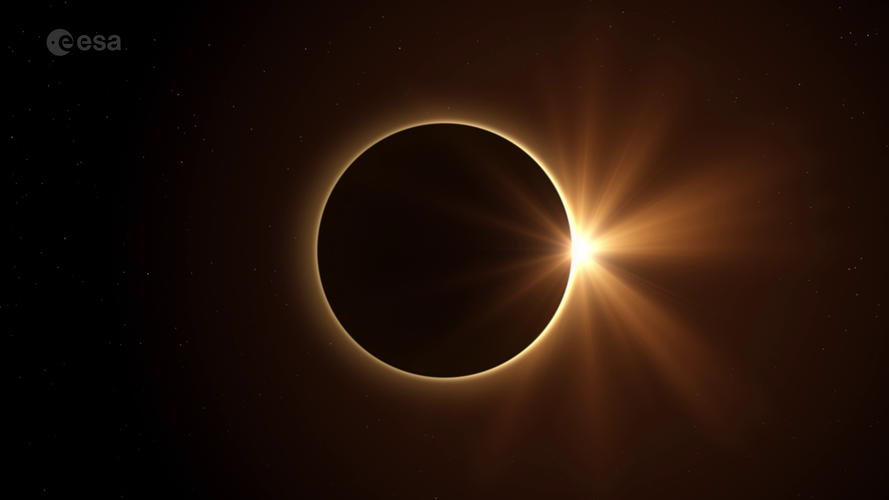
The 2026 solar eclipse is not merely an aesthetic event but a precise orbital occurrence where the Moon’s disk completely obscurs the Sun. According to ESA, this alignment allows for rare observations of the solar corona—a region of the solar atmosphere typically drowned out by the photosphere’s luminosity.
DATA POINTS: MISSION PARAMETERS
- Total Obscuration: During totality, the sky darkens significantly, dropping ambient temperatures and triggering nocturnal behaviors in local fauna. This is the only phase where the corona is visible to the naked eye safely.
- Solar Cycle Peak: The 2026 event coincides with the peak of Solar Cycle 25. This creates an environment of high solar activity, increasing the probability of witnessing large solar flares or prominences during the occultation.
- Geographic Corridor: The path of totality will sweep across specific sectors of the Northern Hemisphere, including significant portions of Europe. Areas outside this corridor will detect a partial eclipse, requiring specialized optical filtration.
TECHNICAL WARNING
Direct solar observation without certified ISO 12312-2 filters will result in permanent sensor—or retinal—damage. Totality is the singular exception to this protocol. Beyond visual data, ESA utilizes these events to calibrate terrestrial-to-space signal interference patterns. The agency emphasizes that while eclipses occur approximately every 18 months globally, the specific overlap with European territory in 2026 provides a high-value data acquisition window for local ground stations.