Data Log: Armstrong Flight Research Center Hits 80-Year Milestone
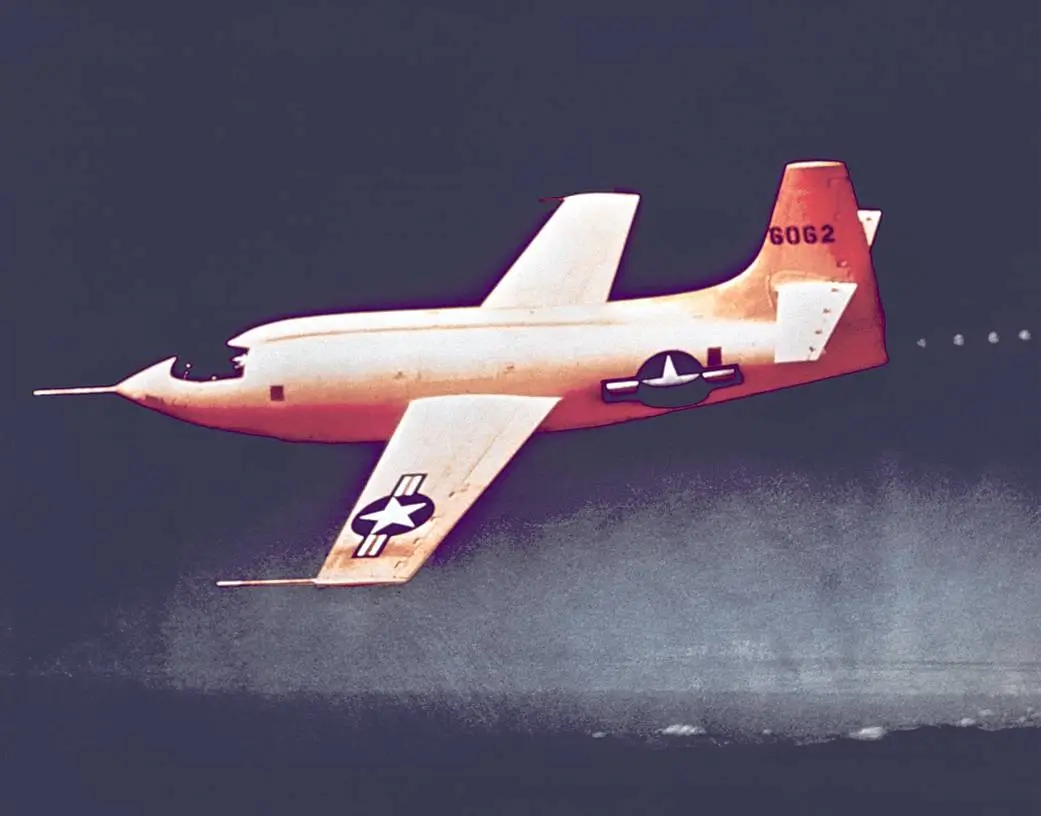
NASA Armstrong commemorates eight decades of aeronautical breakthroughs, from the Bell X-1's sonic boom to modern Sustainable Flight Demonstrators. The facility continues to serve as the premier testbed for the future of atmospheric and space-entry tech.
Operational Log: T+80 Years
NASA’s Armstrong Flight Research Center, located at the Edwards Air Force Base in California, has reached its 80th year of operations. According to NASA Breaking News, the facility—originally established in 1946—remains the agency’s premier site for high-risk atmospheric flight research and advanced aeronautical systems testing.
Historical Trajectory
Originally the Muroc Flight Test Unit, the center was founded to support the X-1 rocket plane project. The milestone achievements managed at this station include the first supersonic flight by Chuck Yeager in 1947, a feat that fundamentally altered global aviation. Over eight decades, the center has transitioned from basic supersonic exploration to complex atmospheric reentry simulations and hypersonic testing. It was renamed in 2014 to honor Neil Armstrong, whose own career as a research pilot was forged at the site long before he touched lunar soil.
Current Mission Parameters
Today, Armstrong serves as a critical node for the NASA Aeronautics Research Mission Directorate. Current priorities at the facility include the X-59 Quiet SuperSonic Technology (QueSST) aircraft, designed to mitigate sonic booms, and the X-66A Sustainable Flight Demonstrator. The center is also pivotal in validating Advanced Air Mobility (AAM) systems, which aim to integrate autonomous flight and electric propulsion into civil airspace.
Strategic Outlook
The facility’s longevity underscores a persistent requirement for high-fidelity flight data. As NASA pivots toward the Artemis missions and net-zero aviation targets by 2050, Armstrong’s role as the final gatekeeper between theoretical design and operational deployment remains absolute. The center’s infrastructure continues to evolve, providing the requisite telemetry and chase-plane support for the next generation of aerospace hardware.