Data Log: 2026 Antarctic Ozone Depletion Peak
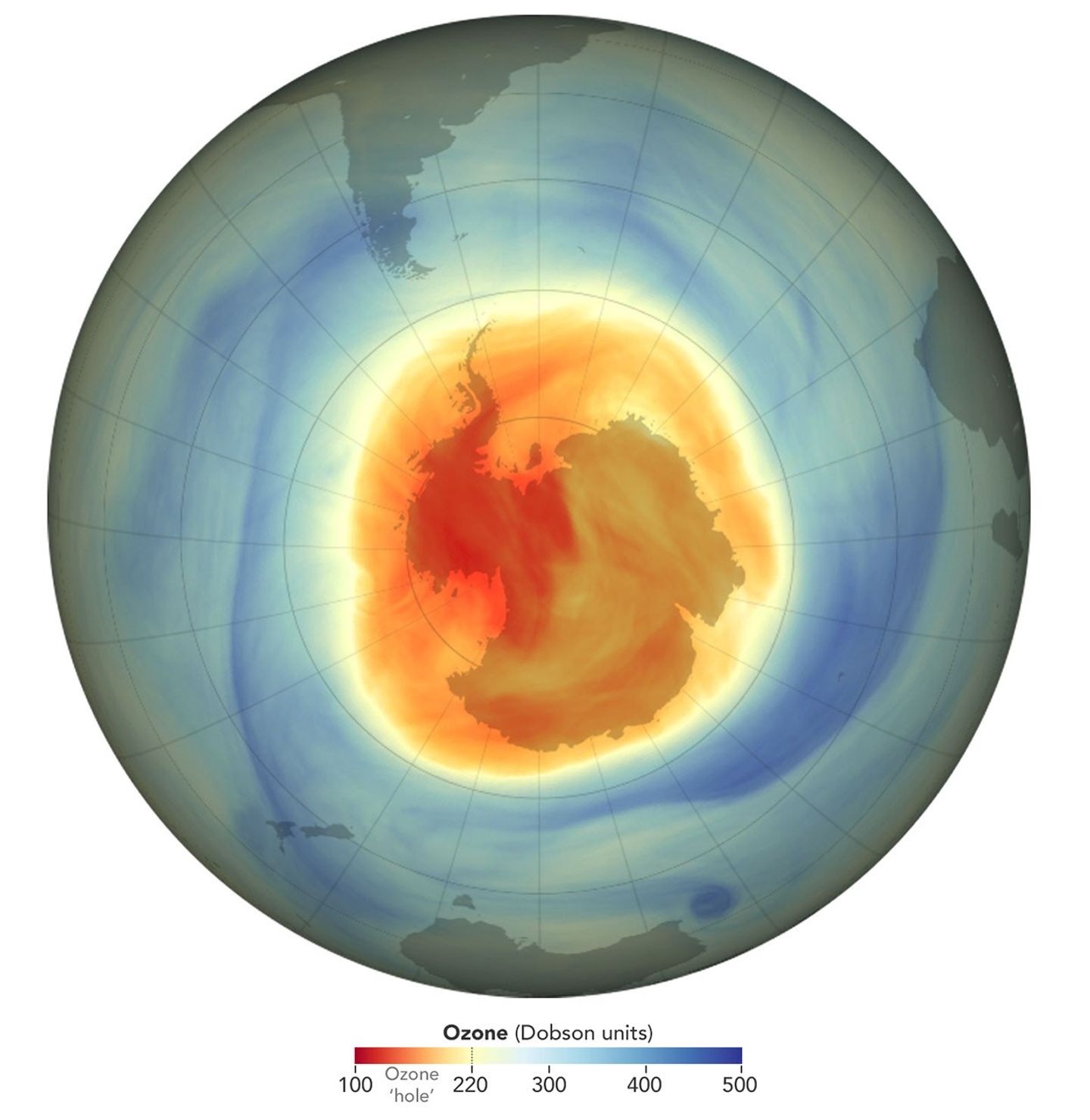
NASA satellite telemetry confirms the Antarctic ozone hole reached its annual maximum for 2026. The atmospheric breach continues to follow long-term recovery projections despite seasonal fluctuations.
# Atmospheric Status: Ozone Maximum Confirmed
Satellite telemetry has verified the 2026 peak of the Antarctic ozone hole, signaling the conclusion of this year’s primary depletion cycle. According to NASA Breaking News, orbital sensors and atmospheric monitoring stations have mapped the full extent of the seasonal breach, which typically expands during the Southern Hemisphere's spring due to complex chemical reactions in the stratosphere.
Technical Analysis
Data acquired via the joint NASA-NOAA monitoring network indicates that while the hole reached its maximum annual footprint, the overall trajectory remains consistent with the protocols established decades ago. The depletion is triggered when solar radiation interacts with human-made chlorofluorocarbons (CFCs) trapped within the polar vortex. Despite the severity of this annual cycle, current sensor logs show that the concentration of these ozone-depleting substances continues its gradual, multi-decadal decline.
Orbital Surveillance
Continuous observation from the Aura satellite and the Suomi NPP mission provided the high-resolution mapping required to confirm the 2026 limits. These instruments measure the total column of ozone from the surface to the edge of space, expressed in Dobson Units. The 2026 data indicates a stable environment, avoiding the extreme anomalies recorded during years with higher volcanic activity or unusual polar stratospheric cloud formation.
NASA researchers emphasize that while the 2026 maximum represents a significant thinning of the protective layer, the recovery remains on track to close the breach entirely by the mid-21st century. SpaceChannel will continue to monitor atmospheric telemetry as the polar vortex weakens and the hole begins its seasonal contraction.