Data Linkage: Hubble Maps Roman Mission Reconnaissance
NASA’s Hubble Space Telescope has identified a high-priority 'cosmic sampler' for the upcoming Nancy Grace Roman Space Telescope, bridging decades of deep-space observation.
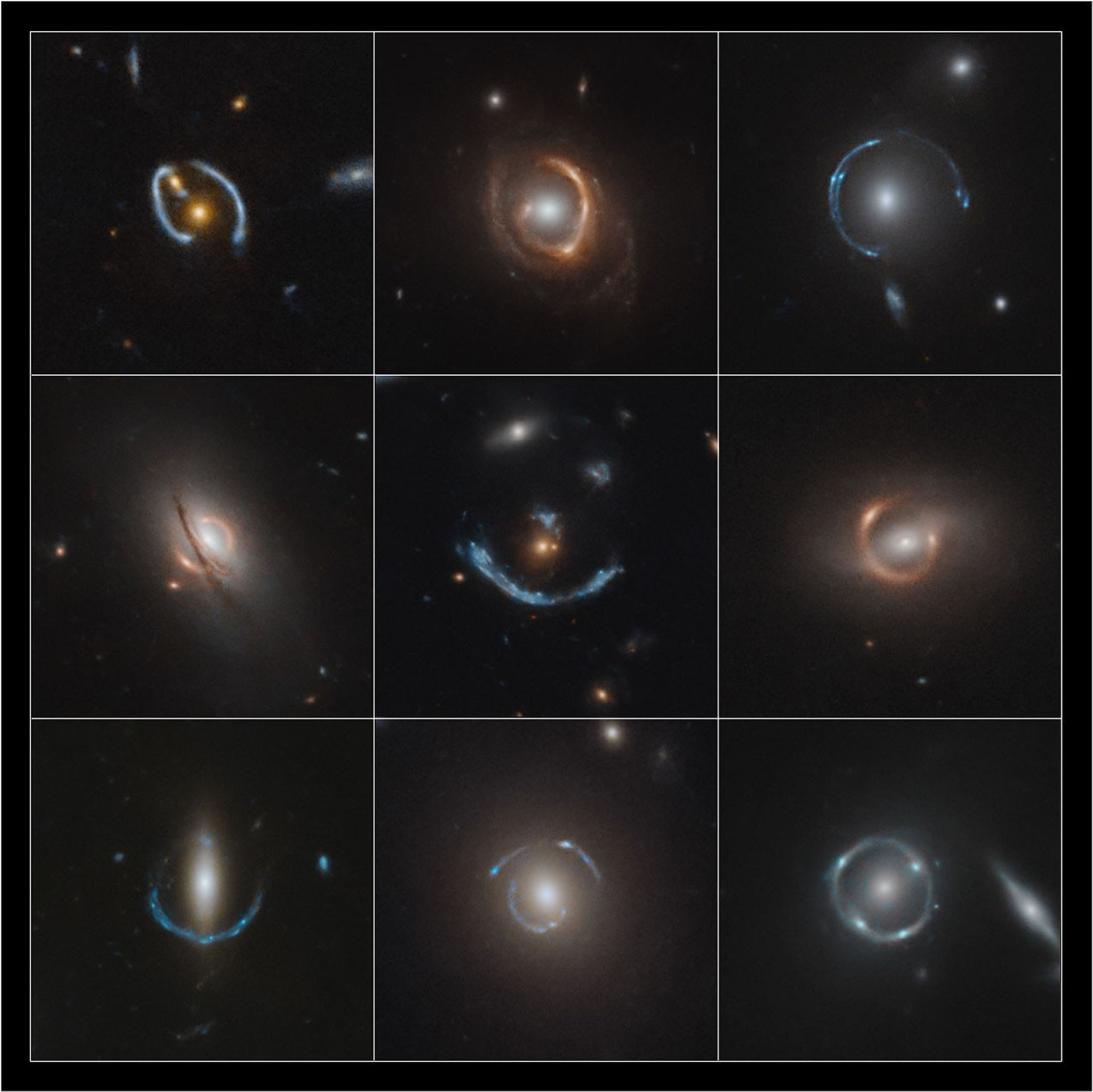
Surveillance Briefing: Orbital Synergy
Operational telemetry confirms that the Hubble Space Telescope has completed a preliminary survey, establishing a strategic roadmap for the Nancy Grace Roman Space Telescope. This 'cosmic sampler' serves as a high-resolution precursor for Roman’s wide-field infrared capabilities.
According to NASA Breaking News, Hubble’s deep-look capabilities are being utilized to pinpoint specific gravitational lensing events, distant supernovae, and galactic clusters that require the unique scale of the Roman mission. While Hubble provides narrow, intense focus, Roman is designed to capture panoramic views of the universe with 100 times the field of view of its predecessor.
Strategic Objectives
- Deep Field Calibration: Hubble data will calibrate Roman’s sensors to ensure consistency across multigenerational datasets.
- Target Selection: Identifying candidate systems for dark energy investigation and exoplanet microlensing surveys.
- Multiwavelength Integration: Combining Hubble’s ultraviolet and visible light data with Roman’s infrared scans.
Technical Implications
The transition represents a shift from targeted investigation to wide-area surveillance. Roman’s primary mission objective—understanding the expansion of the universe and the distribution of dark matter—relies on the precision baseline established by Hubble over three decades. This collaborative framework ensures that when Roman achieves first light, its initial observation cycles are optimized for maximum scientific throughput, bypassing the need for exploratory scanning. The legacy of Hubble remains the foundation for the next era of deep-space mapping.