DATA AUDIT: Chandra Observatory Translates Protostellar Data to Audio
NASA’s Chandra X-ray Observatory has released a new sonification series, converting X-ray and infrared data from massive stellar nurseries into audible frequency ranges to assist in multi-modal scientific analysis.
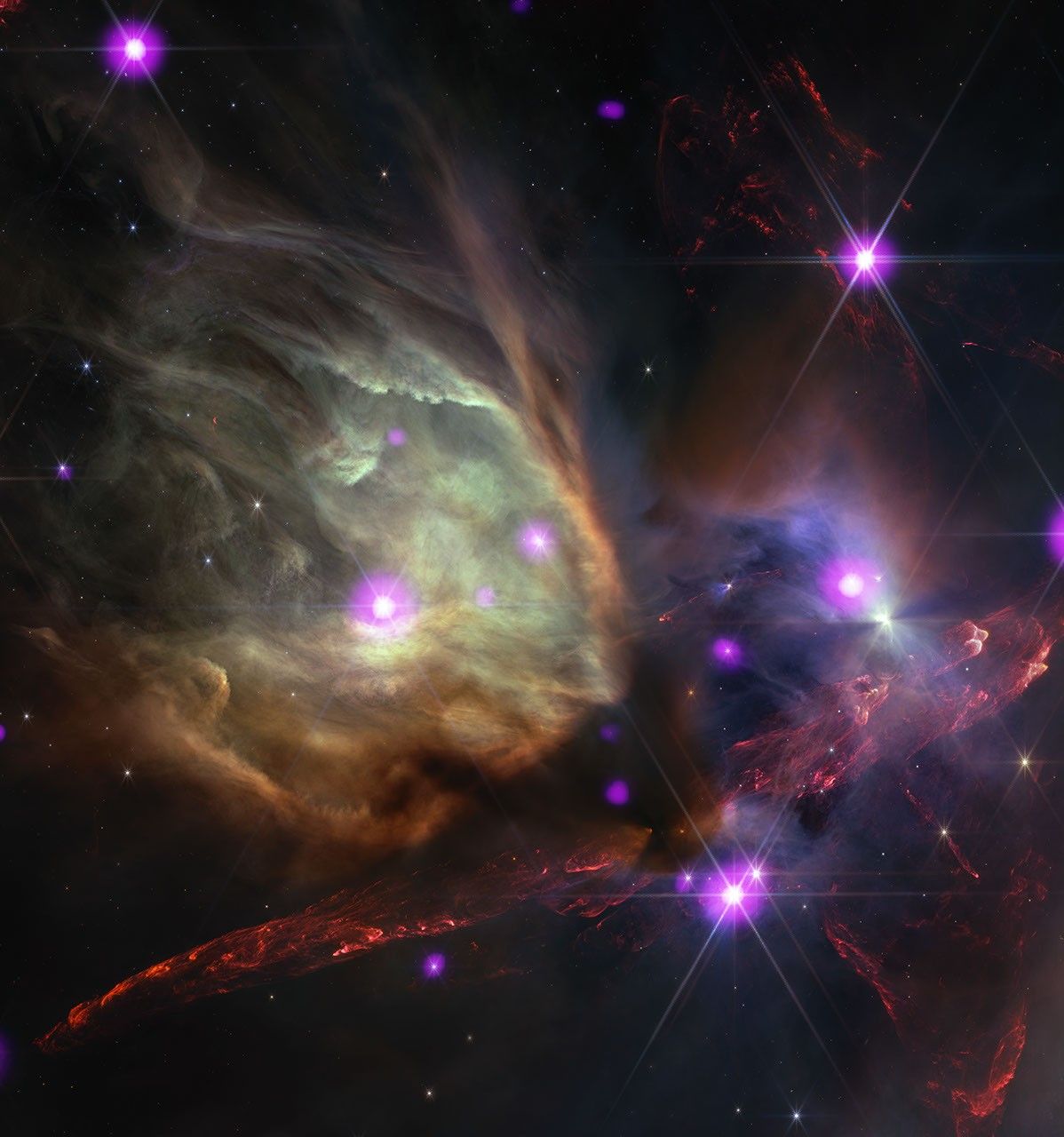
Signal Analysis: Sonification Processing
NASA’s Chandra X-ray Observatory has released a new suite of data sonifications, translating high-energy signals from stellar nurseries into audible soundscapes. According to NASA Breaking News, this initiative converts raw data from multiple deep-space sources—including Chandra’s X-ray instruments and the James Webb Space Telescope—into frequencies perceivable by the human ear.
Targeting Protostellar Activity
The sonification "album" focuses on regions of active star formation. By mapping light intensities and spatial coordinates to specific pitches and volumes, researchers are able to experience astronomical datasets through a secondary sensory channel. Key targets include:
- Westerlund 2: A massive star cluster where X-ray data from Chandra (higher pitches) is layered with infrared data from Hubble (lower, richer tones).
- NGC 6530: Located in the Lagoon Nebula, where the dense cluster of young stars creates a complex polyphonic environment based on X-ray brightness.
- Rho Ophiuchi: A dark nebula complex where the sonification follows the movement of gas and dust clouds, providing a spatial auditory map of the region’s density.
Objective Utility
This project represents a shift toward multi-modal data interpretation. While visually striking, the sonification serves a functional purpose, allowing researchers and the public to detect patterns in massive datasets that might be less apparent in traditional 2D imaging. The process assigns specific instruments or synth tones to different wavelengths, ensuring that the distinct physics of each telescope—X-ray, optical, and infrared—remain distinguishable within the audio stream.