Cyprus: The Earthbound Ocean Crust Observation Hub
New satellite analysis highlights Cyprus's unique geological status as a rare surface-exposed ophiolite, offering a window into the deep oceanic crust from the Mediterranean surface.
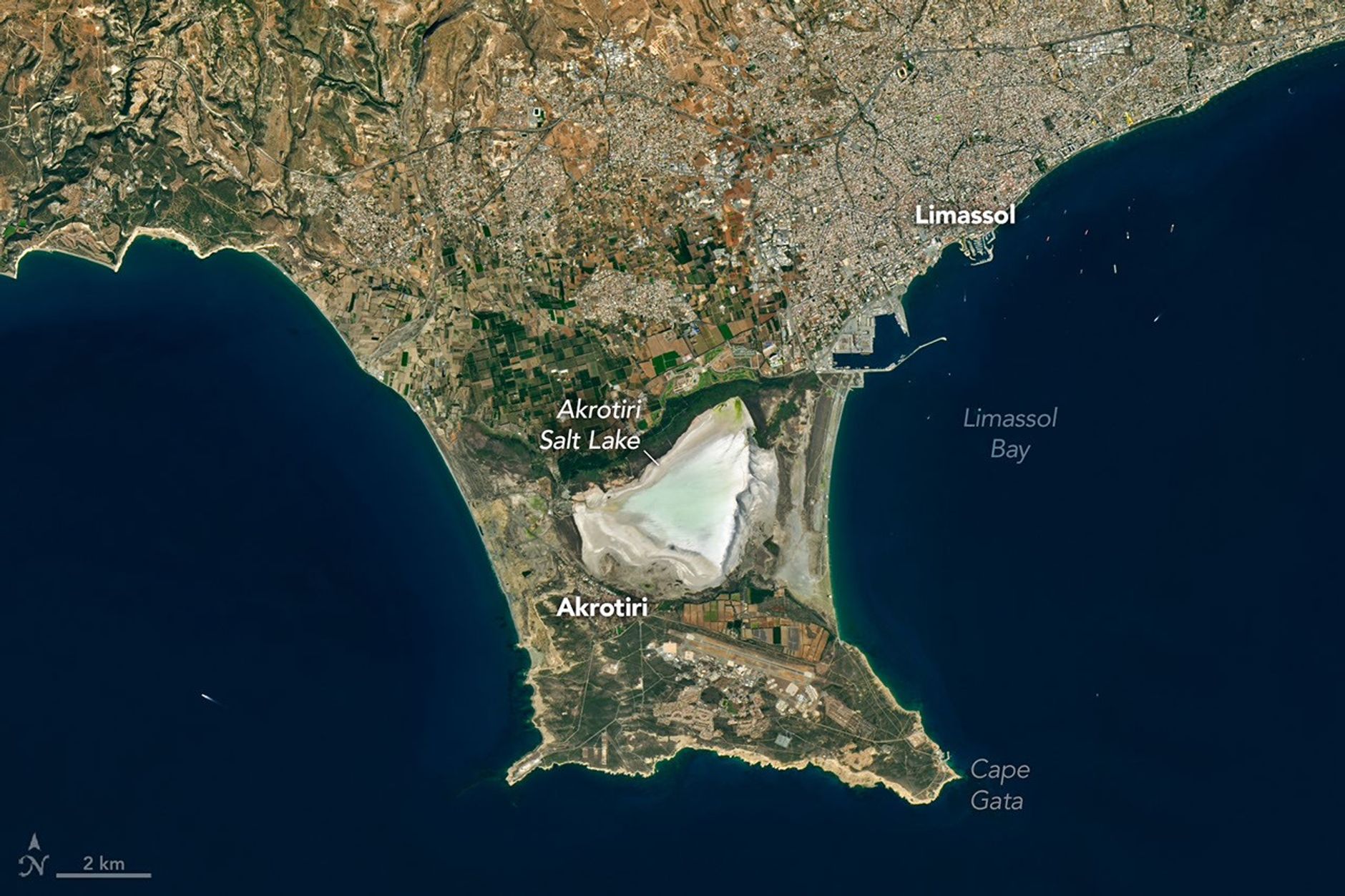
Geological Anomalies on the Levantine Surface
Cyprus is not merely a Mediterranean landmass; it is a profound geological outlier. According to NASA Breaking News, the island serves as a primary terrestrial laboratory for studying ophiolites—sections of the Earth’s oceanic crust and underlying mantle that have been thrust above sea level rather than subducted.
The Troodos Uplift
The central pillar of this phenomenon is the Troodos Mountains. Formed approximately 90 million years ago at the bottom of the Tethys Ocean, this rock sequence was elevated by the ongoing collision between the African and Eurasian plates. For planetary scientists and geologists, the Troodos Ophiolite provides a rare, non-submerged look at the sheeted dike complexes and pillow lavas that typically constitute the seafloor.
Ecological Intersections
The island's name itself is linked to its mineral wealth, derived from kypros, the Greek word for copper, which was deposited through hydrothermal activity on the ancient seabed. Beyond the lithosphere, Cyprus maintains a distinct biological profile. Local tradition and historical records suggest that cats were introduced to the island as early as the 4th century to mitigate venomous snake populations, a practice famously attributed to Saint Helen.
Today, high-resolution orbital imaging continues to map these surface features, allowing researchers to study plate tectonics without the need for deep-sea submersibles. The island remains a critical benchmark for remote sensing calibration in the Mediterranean sector.