CURIOSITY LOG: TACTICAL MINERAL ANALYSIS ON SOLS 5016–5021
Curiosity initiates advanced multispectral scanning and CheMin analysis of the ‘Mineral Basin’ to unlock the geochemical history of Gale Crater.
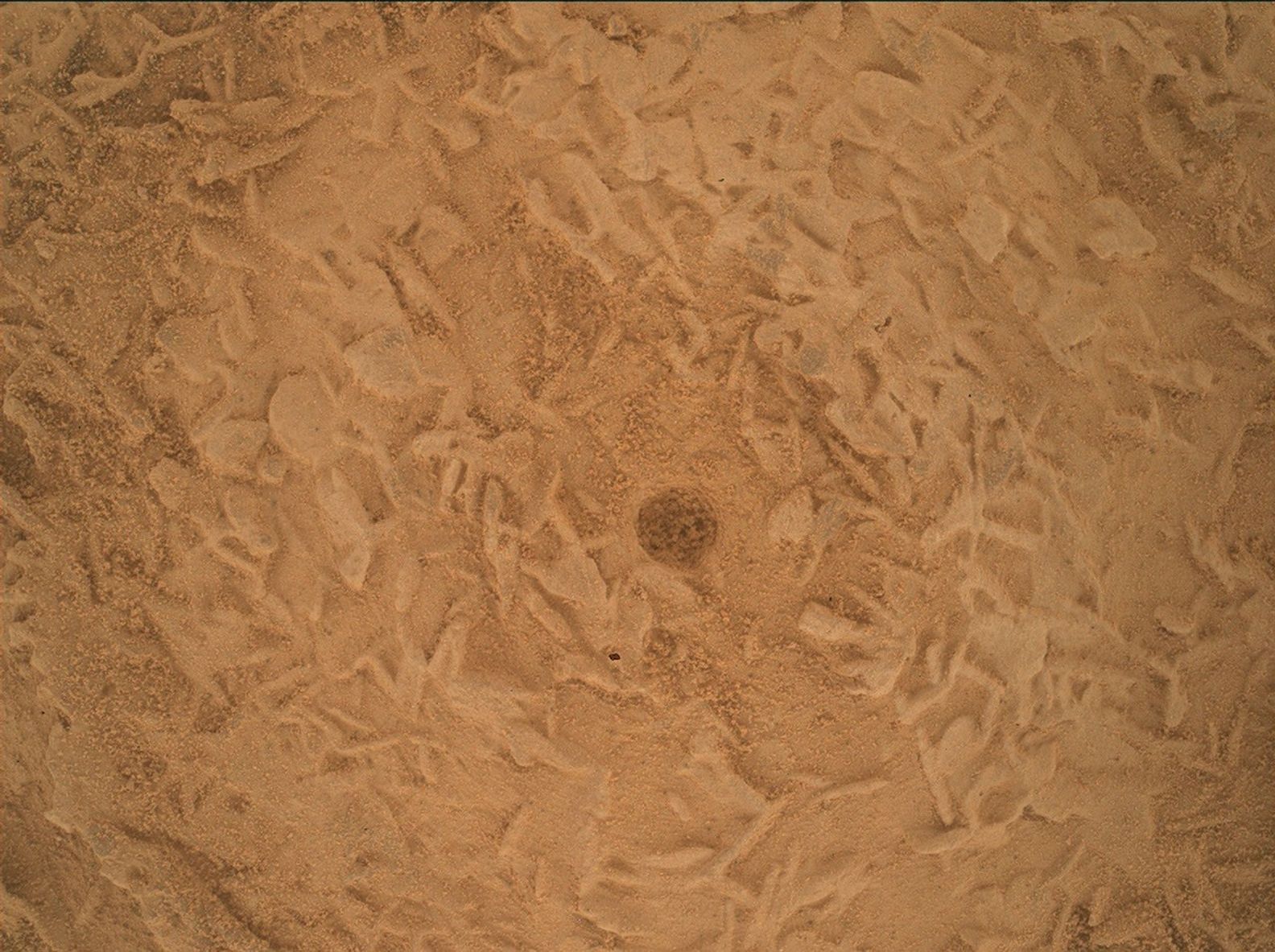
Operational Status: Sols 5016–5021
Curiosity continues its ascent of Mount Sharp, currently holding position within the geologically significant 'Mineral Basin.' According to NASA Breaking News, the mission has entered a critical phase of geochemical characterization, focusing on the transition between clay-bearing and sulfate-rich layers.
Analytical Focus: CheMin and Mastcam
The primary objective for this sequence is the deployment of the Chemistry and Mineralogy (CheMin) instrument. By utilizing X-ray diffraction, the rover is identifying the specific crystalline structures of pulverized rock samples collected from recent drill sites. This data is essential for reconstructive modeling of the ancient Martian environment, particularly the fluctuating water chemistry that once governed the region.
Simultaneously, the Mastcam multispectral suite is conducting high-resolution imaging of local outcrops. These scans utilize specific filters to detect iron oxides and other hydration signatures that are invisible to the naked eye. The tactical team is specifically targeting 'Stony Brook,' an area exhibiting distinct tonal variations suggestive of complex depositional history.
Terrain Assessment
Navigational telemetry indicates the rover is negotiating a region of uneven bedrock and sand-filled depressions. While mobility remains nominal, the scientific priority has shifted toward stationary, high-fidelity data collection. The mission control team is leveraging these sols to maximize the duty cycle of the rover’s internal laboratory, ensuring that the mineralogical fingerprint of this basin is fully recorded before Curiosity proceeds toward the upper reaches of the Gediz Vallis ridge.