Curiosity Analyzes Polygonal Terrain in Gediz Vallis
NASA’s Curiosity rover investigates unique polygonal surface features and sulfur-rich deposits as it maneuvers through the rugged Gediz Vallis on Mars.
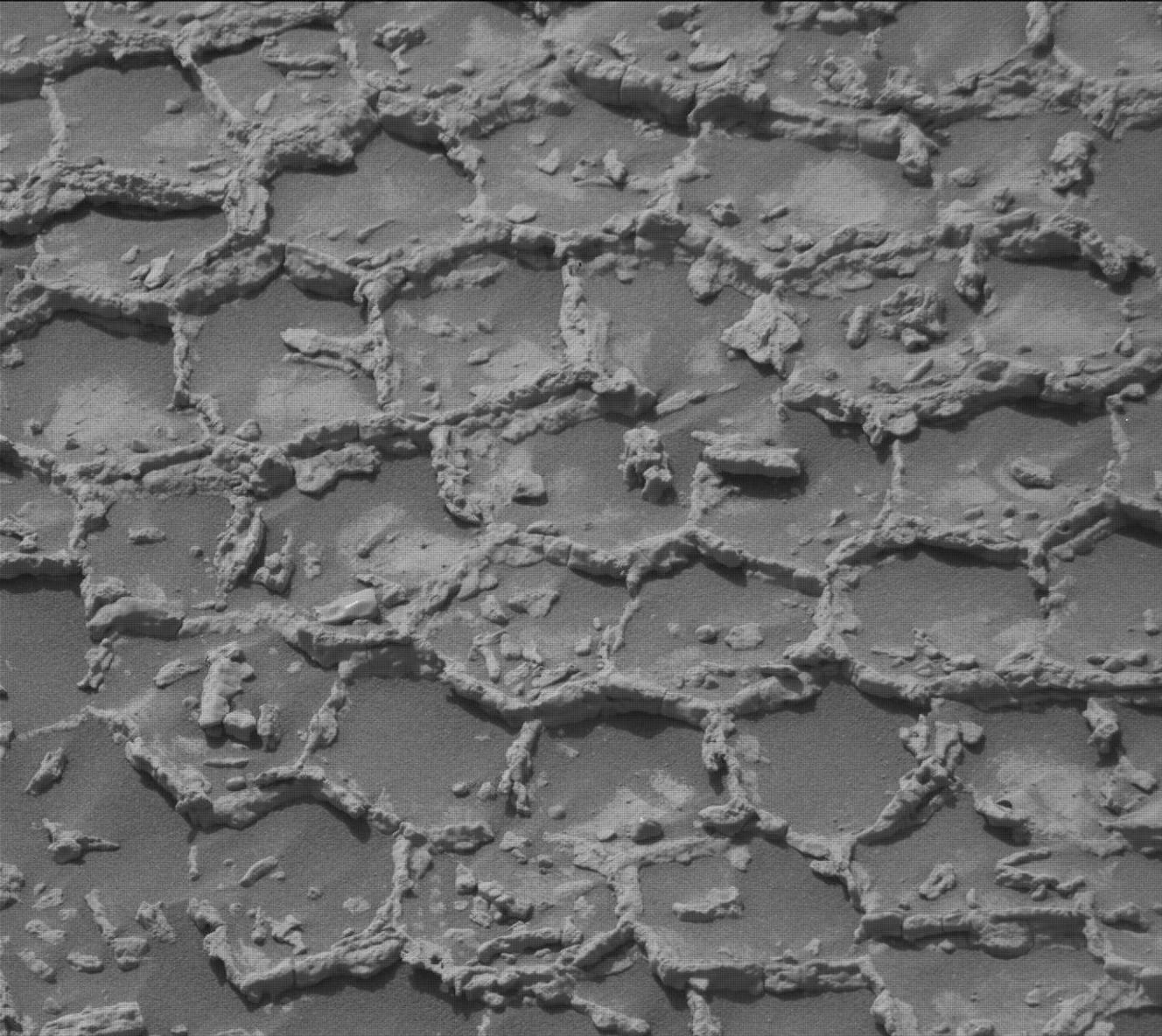
Mission Log: Sols 4934-4940
NASA’s Curiosity rover has entered a geologically significant sector within the Gediz Vallis channel, a region characterized by complex polygonal ground patterns. According to NASA Breaking News, the tactical focus of the current mission phase (Sols 4934-4940) involves high-resolution characterization of these geometric surface features to determine their formative origins.
Analytical Targets
The science team has prioritized chemical and structural analysis of several key targets within the rover's workspace:
- White Rim: A prominent target for the rover's Alpha Particle X-ray Spectrometer (APXS) and Mars Hand Lens Imager (MAHLI). Analysts are searching for clues regarding the sulfur-rich history of the area.
- Kings Canyon: A secondary site identified for MAHLI imaging to document the unique textures of the polygonal ridges.
- White Wolf: A target designated for the ChemCam suite, utilizing the Laser-Induced Breakdown Spectroscopy (LIBS) instrument to sample elemental composition without physical contact.
Navigation and Logistics
Operational constraints remain high due to the steep, 15-degree incline of the terrain and the presence of loose, potentially hazardous debris. Environmental monitoring remains active; the rover’s Mastcam is currently logging atmospheric dust levels (tau) and searching for dust devils to calibrate weather models for the Gale Crater region.
As Curiosity ascends, the data gathered will help clarify if these polygons resulted from ancient wet-dry cycles or thermal contraction, providing critical context for the Red Planet’s historical climate shifts. Following the completion of the current contact science block, the rover is slated for a short relocation to position itself for the next set of high-priority sulfur-bearing ridges.