Cryosphere Watch: Antarctic Sea Ice Hits 2026 Peak
Telemetry from NASA confirms Antarctic sea ice has reached its 2026 annual maximum. While the ice continues its seasonal cycle, the data highlights ongoing shifts in Earth's southern polar environment.
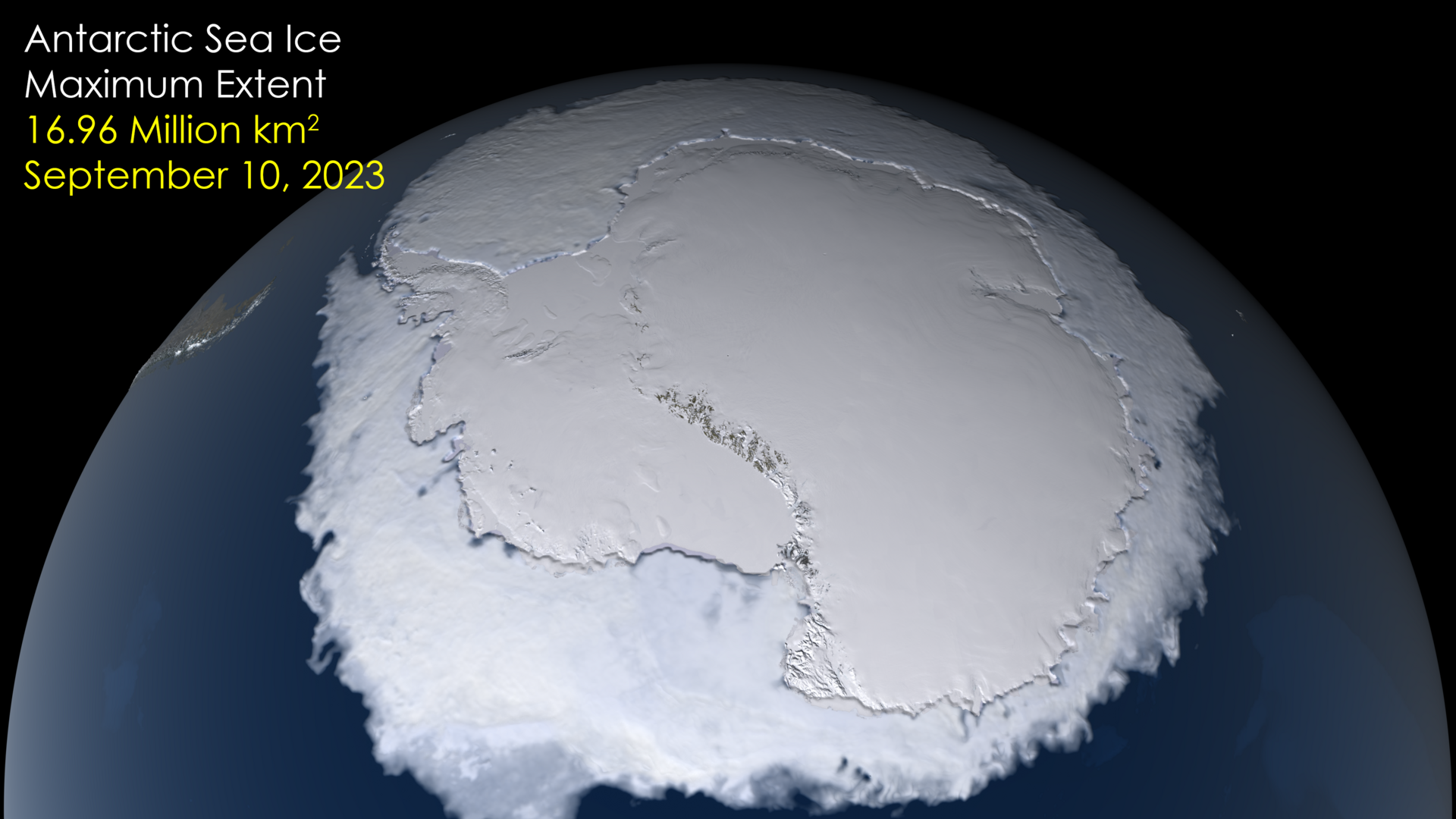
# Data Analysis: Antarctic Ice Accumulation Cycles
STATUS: OBSERVATIONAL PHASE COMPLETE
Earth’s southern cryosphere has completed its primary expansion phase for the solar year 2026. According to NASA Breaking News, satellite telemetry and Earth Observatory sensors have confirmed that Antarctic sea ice has reached its annual maximum extent.
Orbital Surveillance
The growth cycle follows the typical southern hemisphere winter, where plummeting temperatures drive the crystallization of the Southern Ocean. While specific square-kilometer metrics fluctuate annually, the 2026 peak provides critical baseline data for climate modeling and maritime navigation planning. NASA’s Earth-monitoring constellation, including missions focused on ice-sheet elevation and surface temperature, tracked the progression from the autumn minimum to the current seasonal zenith.
Technical Implications
This seasonal milestone is more than a chronological marker. The extent of Antarctic sea ice plays a pivotal role in the planet's albedo effect, reflecting solar radiation back into space and insulating the warmer ocean from the frigid polar atmosphere. Any deviation from historical medians—whether in total area or ice thickness—serves as a primary indicator for global energy balance shifts.
As the cycle transitions toward the summer melt phase, researchers are cross-referencing this year’s maximum against decadal trends. The data gathered during this peak is essential for verifying the accuracy of predictive atmospheric models used by orbital agencies and terrestrial research stations alike. Monitoring continues via passive microwave sensors to track the impending retreat as solar exposure increases across the South Pole.