CRISTAL CLEAR: COPERNICUS POLAR MISSION COMPLETES WING DEPLOYMENT TEST
ESA engineers have successfully verified the solar panel deployment for the Copernicus CRISTAL mission, a critical milestone for the upcoming polar ice monitoring satellite.
SYSTEM STATUS: OPERATIONAL
The Copernicus Polar Ice and Snow Topography Altimeter (CRISTAL) mission has cleared a fundamental mechanical hurdle. According to the European Space Agency (ESA), engineers at Airbus Defence and Space facilities in Friedrichshafen, Germany, have successfully concluded deployment testing of the satellite's solar arrays.
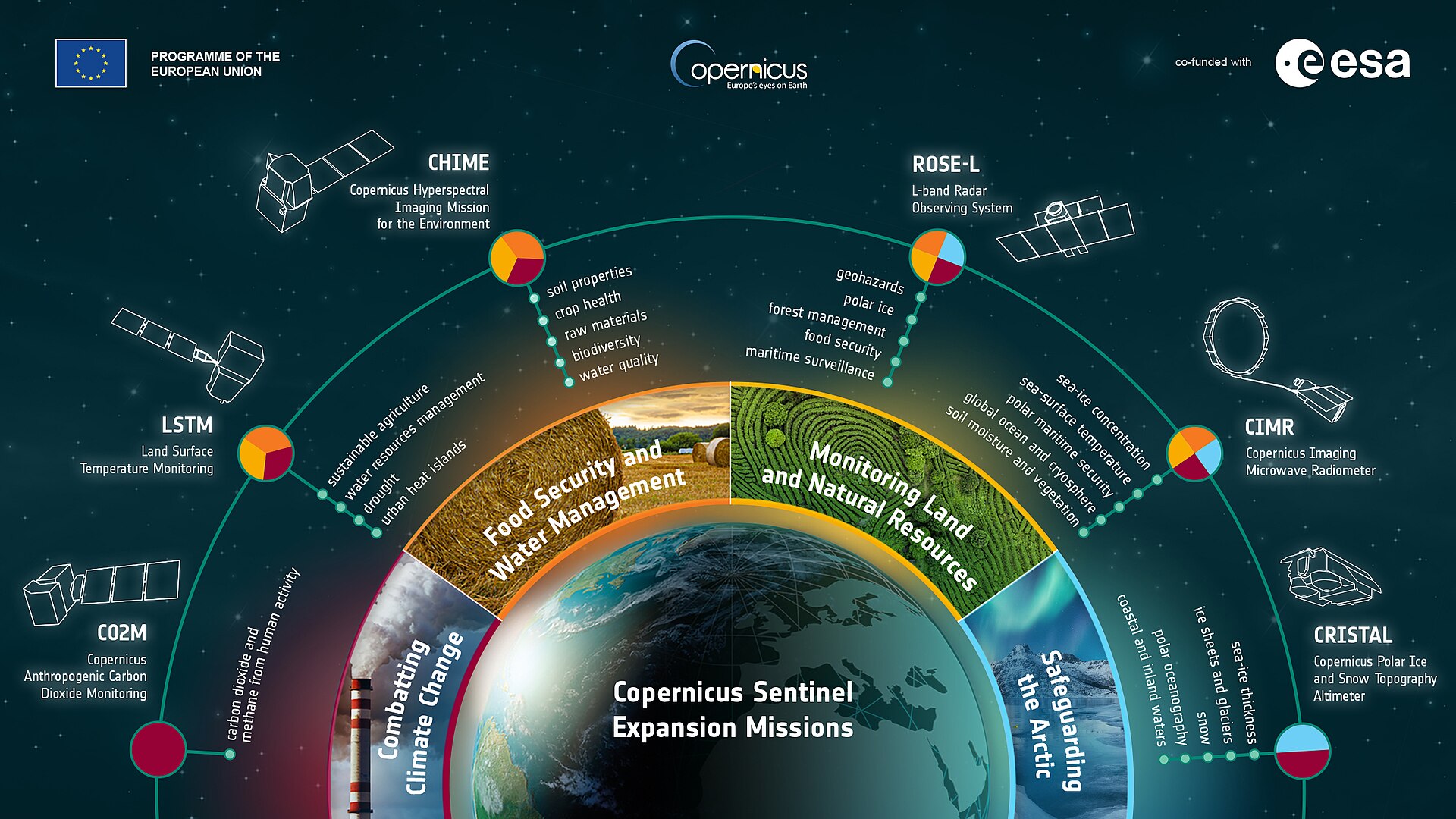
CRISTAL, a high-priority mission within the European Union’s Copernicus program, is designed to monitor the thickness of sea ice and the height of ice sheets. These parameters are essential for climate modeling and maritime navigation. To power its suite of high-resolution radar altimeters, the spacecraft requires a steady energy supply. The recent "wing opening" test simulates the moment the satellite transitions from its stowed launch configuration to its operational state in orbit.
During the test, the satellite’s six-meter-long solar panels were deployed to ensure the integrity of the spring-loaded mechanisms and hinges. In the vacuum of space, these wings must unfurl flawlessly; failure to lock into position would result in mission termination due to power depletion.
ESA reports that the hardware performed within expected tolerances, confirming the structural design can withstand the stresses of orbital deployment. This verification moves the mission closer to its scheduled launch window. Once operational, CRISTAL will provide unprecedented data on Earth’s cryosphere, tracking changes in the polar regions with millimeter precision. The data will serve as a critical asset for the Copernicus Emergency Management Service and global climate scientists.
MISSION SPECS
- Mission: Copernicus CRISTAL
- Operator: ESA / EU
- Test Site: Friedrichshafen, DE
- Objective: Solar array deployment verification