Cosmic Volatility: The Explosive Evolution of AG Carinae
NASA deep-space imaging reveals the violent instability of AG Carinae, a luminous blue variable star undergoing periodic mass-ejection events that shape its surrounding nebula.
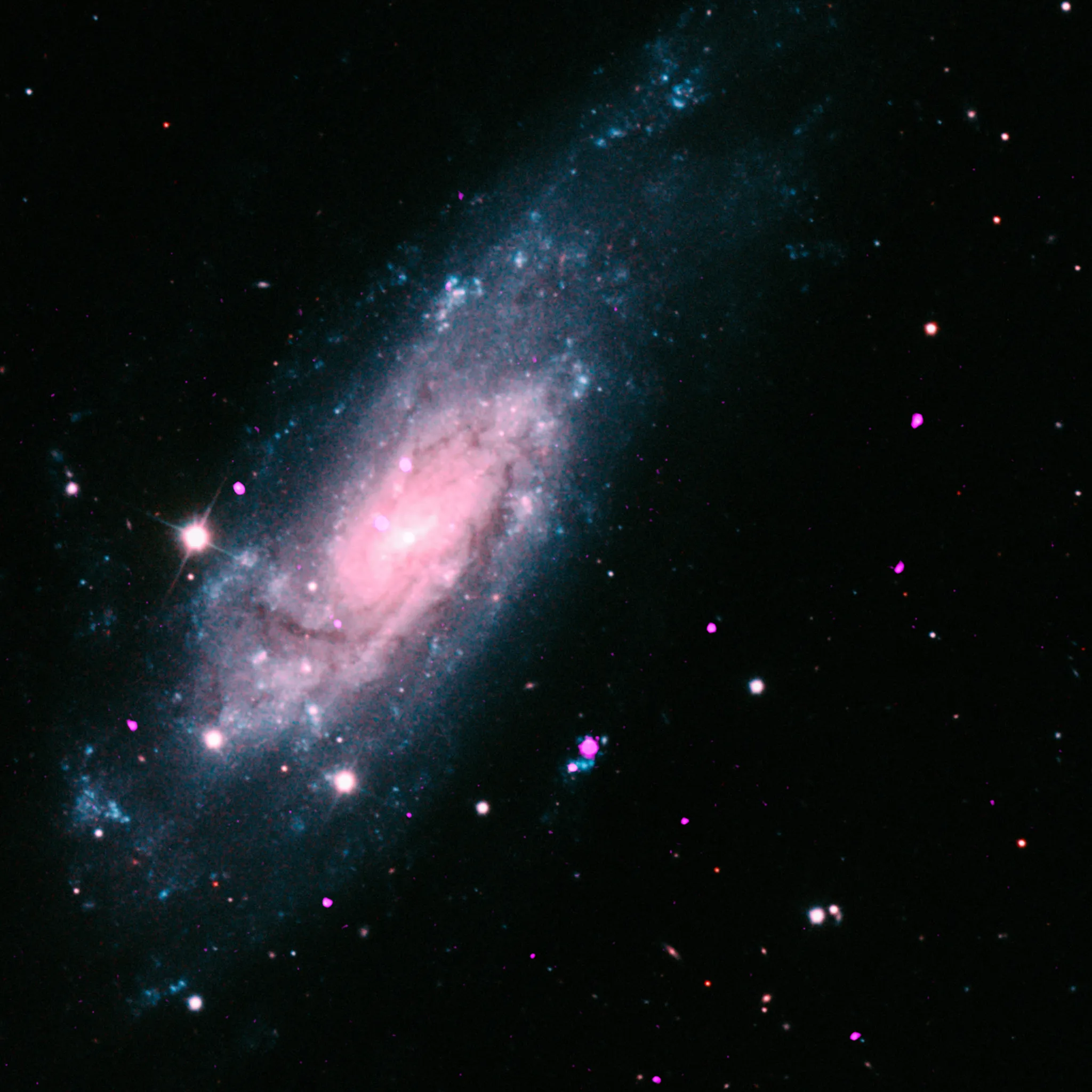
Terminal Feed: Stellar Instability
According to NASA Breaking News, deep-space observation platforms have captured high-resolution telemetry of AG Carinae, a Luminous Blue Variable (LBV) star situated approximately 20,000 light-years from Earth. The data highlights a system defined by extreme instability, where the stellar core maintains a precarious equilibrium between intense radiation pressure and gravitational collapse.
Kinetic Analysis
Analysis of the surrounding nebula reveals the remnants of multiple eruptive outbursts. The primary shell, spanning approximately five light-years, consists of roughly 15 solar masses of expelled gas and dust. These events are not standard supernova precursors but represent a distinct phase of massive star evolution. AG Carinae fluctuates between quiescent states and violent ejections, shedding its outer layers to stabilize its internal furnace.
Observational Impact
The dual-layered structure of the nebula suggests these outbursts occurred roughly 10,000 years apart. Powerful stellar winds, traveling at millions of kilometers per hour, continue to sculpt the ejected material into the complex filaments seen in the latest imagery. For researchers, AG Carinae serves as a vital case study in stellar mortality. As it consumes its remaining fuel, the star provides a real-time demonstration of the processes that enrich the interstellar medium with heavy elements before an eventual, catastrophic collapse. The current data stream confirms that while the star appears stable in human timeframes, it remains one of the most volatile objects in the local galactic sector.