Concordia Station: Survival Logistics at Earth’s Extreme Frontier
Life at the Concordia research station in Antarctica mirrors the harsh realities of space exploration, requiring specialized protocols for basic human survival.
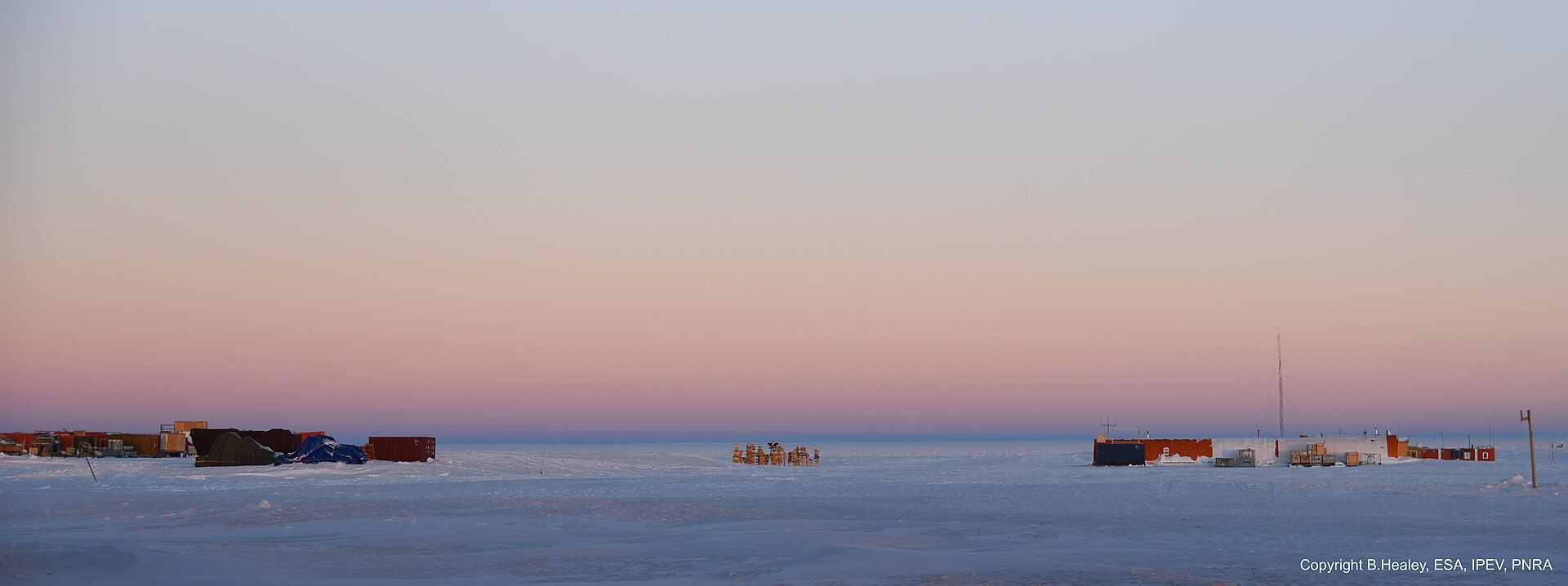
Extremity by Design
Operating at the fringes of human endurance, Concordia Research Station serves as a terrestrial proxy for deep-space habitation. According to ESA YouTube, the daily logistics of the facility—jointly operated by the French Polar Institute (IPEV) and the Italian Antarctic Program (PNRA)—are dictated by temperatures that routinely plummet to -80°C.
The Logistics of Isolation
In this environment, standard terrestrial assumptions fail. The station’s location on the Antarctic plateau means personnel live in a permanent state of hypoxia due to the altitude and thin atmosphere. Survival requires a rigid adherence to safety protocols. When venturing outside, multi-layered thermal suits are mandatory; exposed skin can freeze in seconds. The sheer isolation during the winter months means the crew is effectively cut off from the rest of the world, much like a crew on a lunar base or a Mars transit vehicle.
Scientific Utility
ESA utilizes Concordia to study the physiological and psychological impacts of long-duration isolation. The environmental stressors—lack of sunlight for months, recycled water systems, and confined living quarters—provide critical data for future Artemis and Moon Village missions. Managing these 'things that just make sense' in Antarctica is not merely about polar research; it is about refining the blueprints for human life beyond Earth's atmosphere. Every operational adjustment made at Concordia informs the next generation of life-support systems required for the vacuum of space.