CNES Upgrades CSG Surveillance: New Automated Launch Tracking Initiative
France’s space agency CNES has issued a call for new automated optical tracking turrets to replace aging systems at the Guiana Space Centre. The hardware will track Ariane and Vega vehicles up to 100 kilometers.
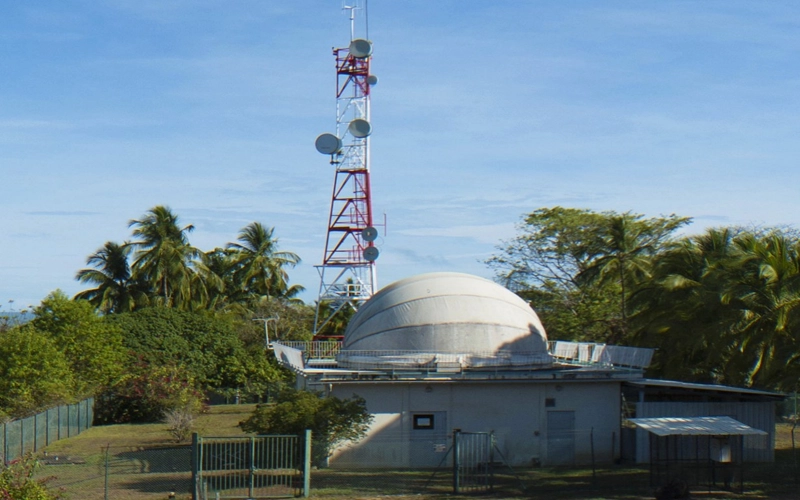
# SENSOR UPGRADE: CNES MODERNIZES GUIANA TRACKING ARRAY
The French space agency, CNES, has initiated a procurement phase for advanced automated optical tracking systems to be deployed at the Guiana Space Centre (CSG). The objective is the complete replacement of existing manual and semi-automated imagery hardware that has reached the end of its operational lifecycle.
According to European Spaceflight, the current systems used to monitor Ariane and Vega launches are increasingly obsolete. CNES aims to transition to a high-fidelity, fully automated network. These new tracking turrets must be capable of maintaining a visual lock on launch vehicles up to an altitude of 100 kilometers. Unlike the legacy hardware, the new units will be directly integrated with real-time launch vehicle trajectory data to ensure precision during the critical ascent phase.
TECHNICAL REQUIREMENTS
- Target Altitude: Up to 100 km.
- Automation: Full autonomous tracking via trajectory data integration.
- Operational Role: Dual-purpose utility for both public broadcast visualization and technical safety analysis.
The initiative is designed to streamline ground operations at Europe’s spaceport. By removing the reliance on manual intervention, CNES intends to reduce the margin for error during telemetry capture and ensure the structural integrity of vehicles can be assessed through high-definition visual data immediately following ignition.
This modernization effort follows a broader trend of technical overhauls at CSG to support the upcoming high-cadence flight schedules of Ariane 6 and Vega C. Prospective contractors have until the deadline specified in the September 24 tender to submit their technical proposals for the three-unit tracking array.