CHAPEA-1: Crew to Egress Yearlong Mars Habitat
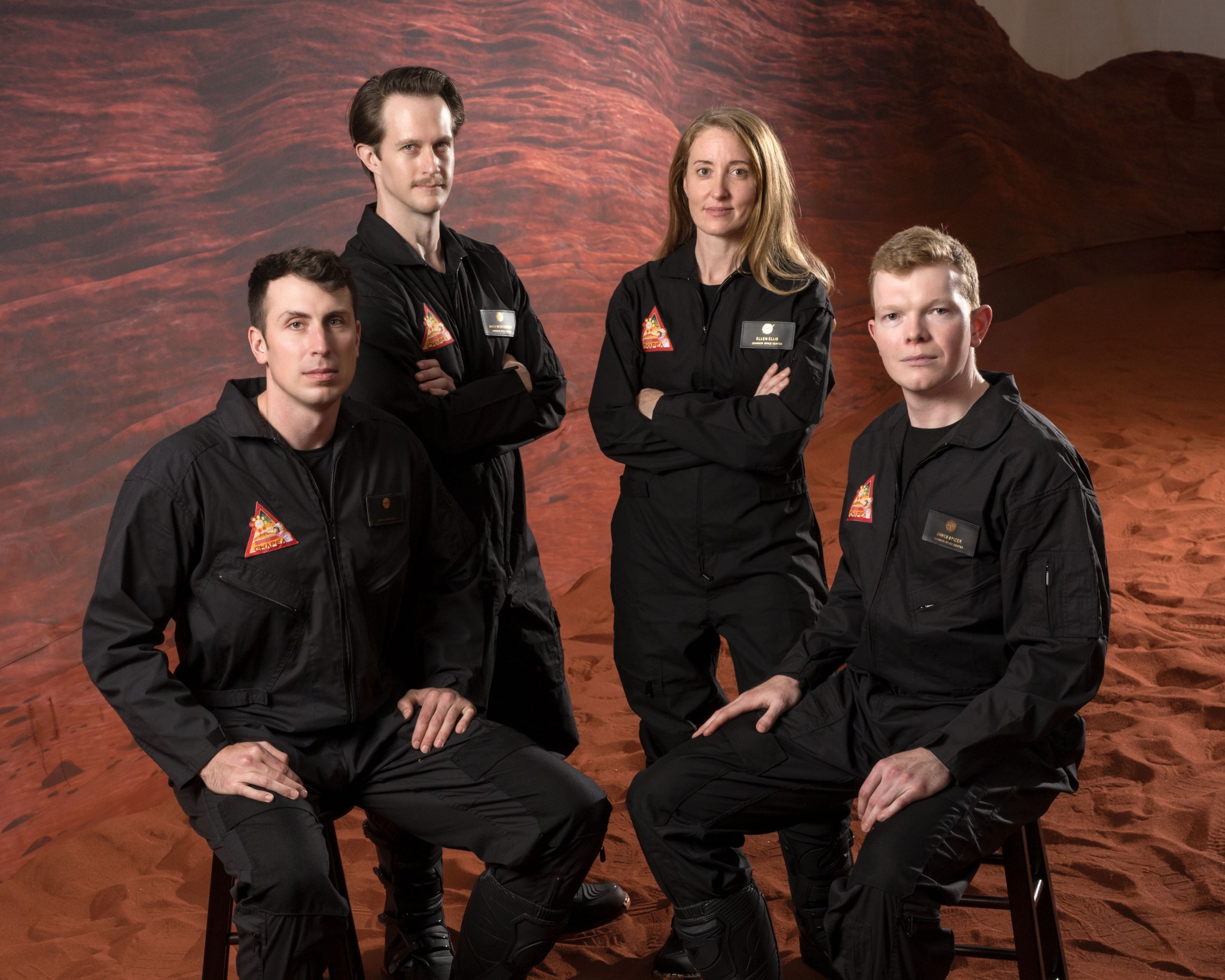
NASA confirms the conclusion of its first 378-day Mars simulation mission. The CHAPEA-1 crew is scheduled to egress the 3D-printed habitat at Johnson Space Center following a year of isolated planetary operations.
MISSION LOG: ANALOG TERMINATION
The first long-duration phase of NASA’s Crew Health and Performance Exploration Analog (CHAPEA) is reaching completion. According to NASA Breaking News, the four-person volunteer crew of CHAPEA-1 is scheduled to egress their terrestrial Mars habitat at the Johnson Space Center in Houston on July 6, 2024.
DATA POINTS: MARS DUNE ALPHA
The crew—consisting of Kelly Haston, Anca Selariu, Ross Brockwell, and Nathan Jones—has spent 378 days isolated within Mars Dune Alpha. This 1,700-square-foot facility, constructed via 3D-printing technology, served as a high-fidelity proxy for the environmental and psychological constraints of a Red Planet mission. The team operated under significant stressors, including simulated communications latencies, resource scarcity, and equipment failure protocols.
ANALYTICAL GOALS
NASA’s primary objective for the CHAPEA series is the collection of cognitive and physical performance data. By monitoring the crew’s health during their year of isolation, researchers aim to quantify the physiological impacts of prolonged interplanetary missions. This information is vital for the upcoming Artemis campaign, which will leverage these findings to safeguard astronauts during future trans-lunar and Martian transits.
EGRESS PROCEDURES
The egress event, scheduled for 5:00 PM EDT, marks the official transition from simulation to debrief. Following their exit, the crew will participate in a short media engagement to discuss the operational challenges of the mission and the efficacy of their 3D-printed environment. This conclusion represents a significant milestone in validating the human systems required for sustained presence beyond Low Earth Orbit.