Chandra Observatory Releases Chromatic Deep-Space Imagery
NASA’s Chandra X-ray Observatory marks the United States’ 250th anniversary with a new multi-wavelength gallery featuring nebula and galactic structures in red, white, and blue.
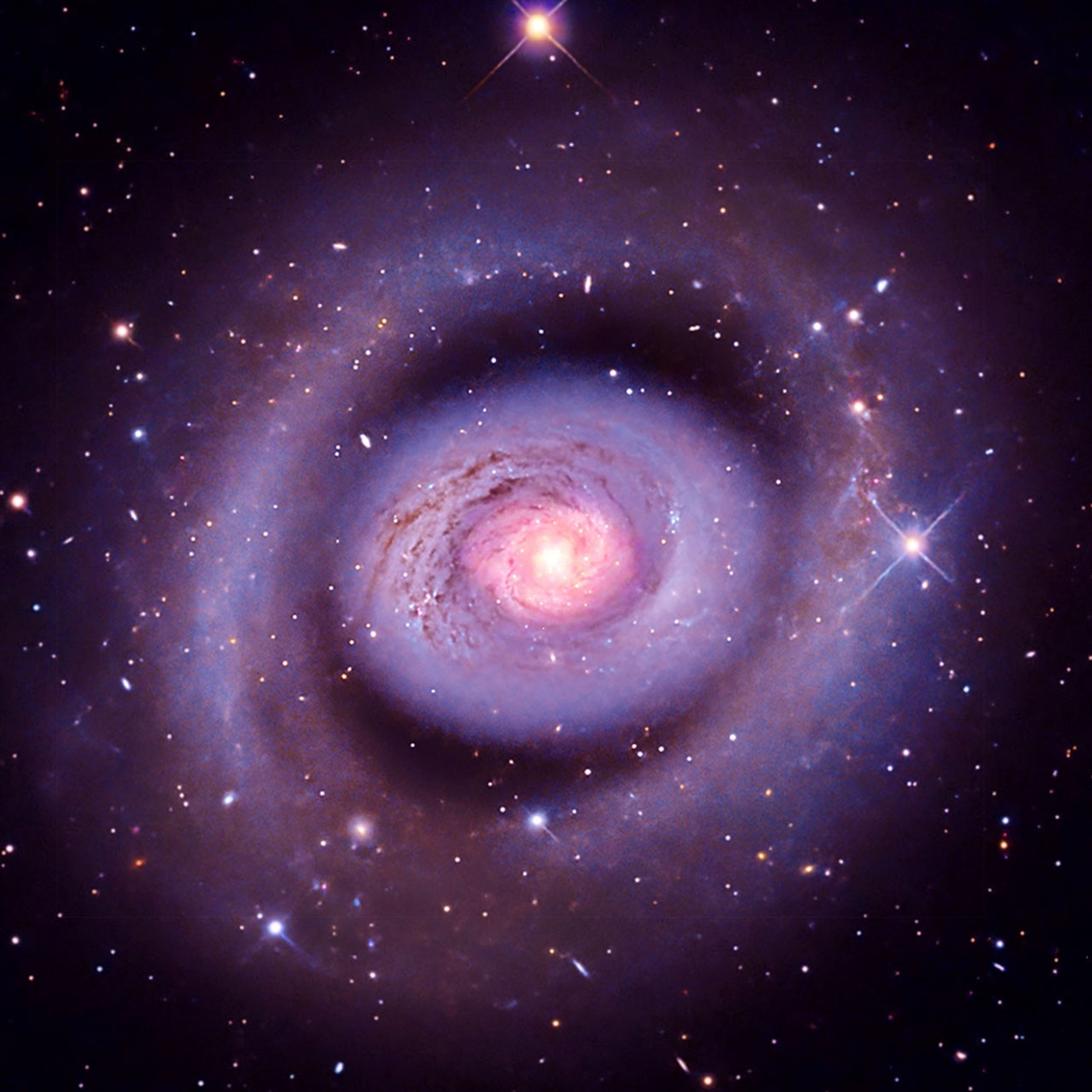
Data Stream: High-Energy Imaging
To commemorate the 250th anniversary of the United States, NASA’s Chandra X-ray Observatory has released a curated set of deep-space images. According to NASA Breaking News, the agency utilized a specific color palette—red, white, and blue—to render various cosmic structures, combining x-ray data with infrared and optical observations from other orbital assets.
Targeted Subject Analysis
The image release focuses on several high-energy environments captured by Chandra’s sensitive detectors:
- Supernova Remnants: High-velocity wreckage from star deaths, visualized through ionized gas signatures.
- Star-Forming Regions: Dense clusters of gas and dust where stellar birth is triggered by gravitational collapse.
- Galactic Clusters: Massive structures held together by dark matter, emitting intense x-rays from superheated intergalactic gas.
Multi-Spectrum Correlation
While Chandra provided the high-energy x-ray data (rendered in blue and white to highlight the hottest regions), the composite images incorporate data from the James Webb, Hubble, and Spitzer telescopes. This multi-wavelength approach allows mission controllers to visualize the complex interaction between cold dust (red) and high-energy radiation. This technical exercise serves as a progress report on Chandra’s 25th year of operation, demonstrating its continued capability in mapping the high-energy universe.
Mission Status
Launched in 1999, Chandra remains the flagship mission for x-ray astronomy. These recent composites underscore the observatory's role in decoding the thermal history of the cosmos, providing raw data for astrophysical models covering star formation and galactic evolution.