Carbonaceous Record: Analyzing the Pristine Winchcombe Meteorite
A high-precision study of the Winchcombe meteorite provides a direct look into the early solar system, revealing preserved organic chemistry and water-altered minerals.
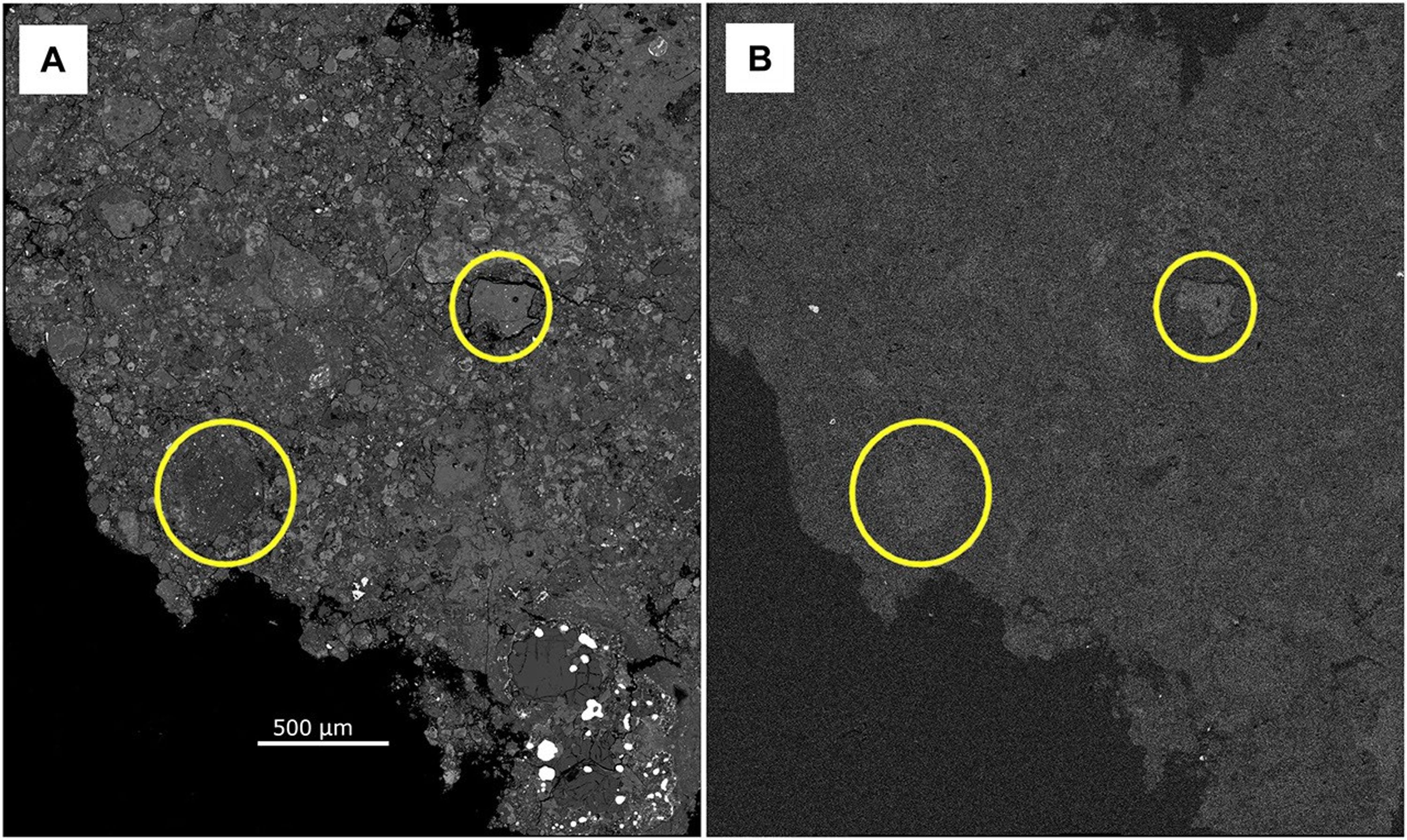
Data Analysis: Asteroid Fragment Winchcombe
A detailed examination of the Winchcombe meteorite, a rare carbonaceous chondrite that impacted the United Kingdom in 2021, has yielded new insights into the chemical evolution of the early solar system. According to NASA Breaking News, researchers utilizing state-of-the-art laboratory facilities have verified the specimen as one of the most pristine samples of an ancient asteroid ever recovered on Earth.
Chemical Composition and Origin
The recovery was rapid, occurring within hours of impact. This minimized terrestrial contamination, allowing scientists to observe volatile materials and organic compounds in their near-original state. Findings indicate that the Winchcombe fragment originated from a larger parent body that underwent significant water-driven chemical changes roughly 4.6 billion years ago. The presence of clay minerals and organic carbon suggests that the parent asteroid was once rich in ice, which melted and reacted with the rock.
Analytical Significance
This study serves as a critical ground-truth reference for current sample-return missions, such as OSIRIS-REx and Hayabusa2. By comparing the Earth-captured Winchcombe data with samples retrieved directly from space, scientists can better calibrate instruments and interpret the history of water and pre-biotic molecules in the inner solar system. The specimen remains a high-priority asset for the international astromaterials community, providing a window into the primordial cloud that formed the terrestrial planets.