Callisto Hardware Milestone Reached Despite 2027 Delay
Hardware for Europe’s Callisto reusable rocket demonstrator moves toward integration as DLR completes nose cone testing, though the first flight is now pushed to 2027.
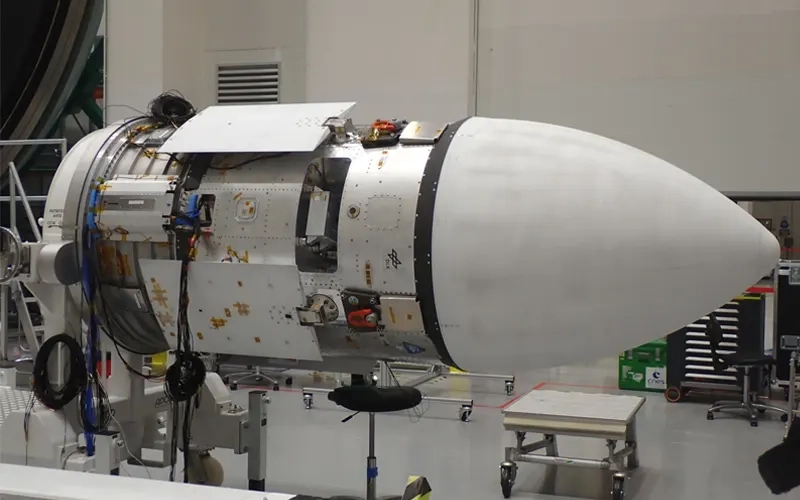
Hardware Transfer Log: Callisto Program
The German Aerospace Center (DLR) has finalized acceptance testing on the nose cone for the Callisto reusable rocket demonstrator. According to European Spaceflight, this carbon-fiber structural component is now designated for transfer to France. Once there, it will undergo integration into the vehicle’s top block by the French space agency (CNES) and APCO Technologies.
Operational Status
Despite the successful hardware milestone, the project timeline has undergone a significant shift. DLR has confirmed that Callisto’s inaugural "hop test"—originally targeted for an earlier window—has now officially slipped to 2027. This adjustment follows signals first detected in a CNES procurement notice from September 2025.
Technical Specifications
Callisto is a joint initiative involving DLR, CNES, and the Japan Aerospace Exploration Agency (JAXA). The 13.5-meter-tall vehicle is designed to master the complex flight dynamics required for vertical takeoff and vertical landing (VTVL) operations. The primary objective is the recovery and rapid refurbishment of the booster stage to reduce long-term mission overhead.
The nose cone is a critical aerodynamic element, housing the vehicle's flight computers and instrumentation. Following the current integration phase, the hardware will eventually be transported to the Guiana Space Centre in Kourou for flight operations.
Europe’s path to reusability remains under heavy observation as the program transitions from structural assembly to integrated systems testing.