Bremen Report: Industrial Surge Signals European Sovereign Space Capability
Space Tech Expo Europe reveals a continent rapidly scaling its manufacturing infrastructure, from debris removal to sovereign crewed flight ambitions.
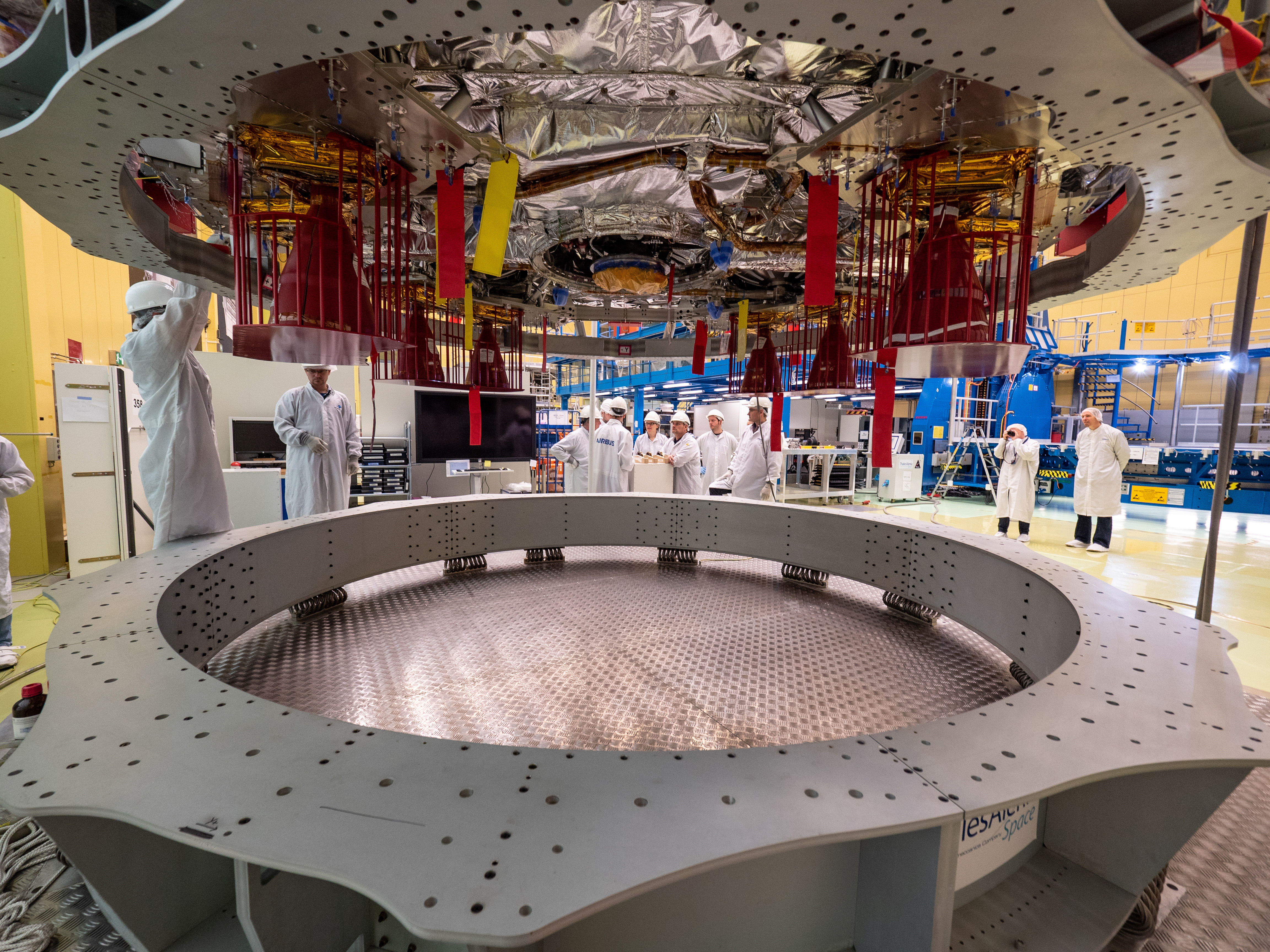
Terminal Intelligence Report: Bremen 2026
Operational data from the Space Tech Expo in Bremen confirms a significant escalation in European orbital hardware manufacturing. According to Payload, the region is transitioning from component supply to high-volume output, with production capacity trending toward the high hundreds of satellites annually to meet IRIS² and commercial demands.
//Strategic Hardware Roadmap
The industrial landscape is diversifying into high-risk technical sectors:
- Optical Communications: SSC Space and NTT (Japan) have codified an agreement to integrate optical technologies into global ground networks.
- Recovery and Logistics: Space Cargo Unlimited, alongside Thales Alenia Space, debuted the REV1 reentry vehicle for in-orbit manufacturing.
- Debris Remediation: OHB System AG secured a €102M contract for the ClearSpace-1 mission, targeting a 2030 satellite deorbiting operation.
- Kinetic Applications: ATMOS Space Cargo and MBDA are initiating feasibility studies for orbital deep-strike weapons systems.
- Quantum Infrastructure: Thales Alenia Space launched a dedicated laboratory for quantum communication equipment development.
//The Sovereignty Mandate
In a shift toward strategic autonomy, ESA Director General Josef Aschbacher announced a pending vote on a €10B program focused on sovereign crewed flight capabilities. The initiative aims to eliminate reliance on US infrastructure for astronaut transport. Private entities like The Exploration Company are already signaling readiness, incorporating human-rated systems into their development pipelines. This represents a definitive choice for Europe: establish independent access or remain a secondary tier operator in the orbital economy.