BPS Digital AVATAR Challenge
The NASA Space Biology Program within the Biological and Physical Sciences (BPS) Division investigates how living systems respond across the full spectrum of biological organization to advance understanding of how living systems respond to the unique stressors of space exploratio
Search
Suggested Searches
- Home
- Missions
- Humans in Space
- Earth
- The Solar System
- The Universe
- Science
- Aeronautics
- Technology
- Learning Resources
- About NASA
- Español
Featured
  
Back
- Search All NASA Missions
- A to Z List of Missions
- Upcoming Launches and Landings
- Spaceships and Rockets
- Communicating with Missions
- Artemis
- James Webb Space Telescope
- Hubble Space Telescope
- International Space Station
- OSIRIS-Rex
- Explore Earth Science
- Climate Change
- Earth, Our Planet
- Earth Science in Action
- Earth Multimedia
- Earth Data
- Earth Science Researchers
- The Sun
- Mercury
- Venus
- Earth
- The Moon
- Mars
- Jupiter
- Saturn
- Uranus
- Neptune
- Pluto & Dwarf Planets
- Asteroids, Comets & Meteors
- The Kuiper Belt
- The Oort Cloud
- Skywatching
- Exoplanets
- The Search for Life in the Universe
- Stars
- Galaxies
- Black Holes
- The Big Bang
- Dark Energy
- Dark Matter
- Earth Science
- Planetary Science
- Astrophysics & Space Science
- The Sun & Heliophysics
- Biological & Physical Sciences
- Lunar Science
- Citizen Science
- Astromaterials
- Aeronautics Research
- Human Space Travel Research
- Science in the Air
- NASA Aircraft
- Flight Research Innovation
- Supersonic Flight
- Air Traffic Solutions
- Green Aviation Tech
- Drones & You
- Technology Transfer & Spinoffs
- Space Travel
- Living in Space
- Lunar Surface Technology
- Manufacturing and Materials
- Robotics
- Science Instruments
- Computing
- For Students
- For Educators
- For Colleges and Universities
- For Professionals
- Science for Everyone
- Requests for Exhibits, Artifacts, Speakers & Flyovers
- STEM Engagement at NASA
- NASA's Impacts
- Centers and Facilities
- Directorates
- Organizations
- People of NASA
- Careers
- Internships
- Our History
- Doing Business with NASA
- Get Involved
- Contact
- News Releases
- Recently Published
- Video Series on NASA+
- Podcasts & Audio
- Blogs
- Newsletters
- Social Media
- Media Resources
- Events
- Upcoming Launches & Landings
- Virtual Guest Program
- NASA+
- Images
- NASA Live
- NASA Apps
- Podcasts
- Image of the Day
- e-Books
- 3D Resources
- Interactives
- STEM Multimedia
- NASA Brand & Usage Guidelines
Featured
  
Highlights
  
Highlights
  
Highlights
  
Highlights
  
Highlights
  
Highlights
  
Highlights
  
Featured
  
Featured
  
Highlights
  
2 min read
# BPS Digital AVATAR Challenge
!Profile image for Bailey Light
Bailey Light
Nov 17, 2026
Article
!AVATAR organ chip help by gloved hand
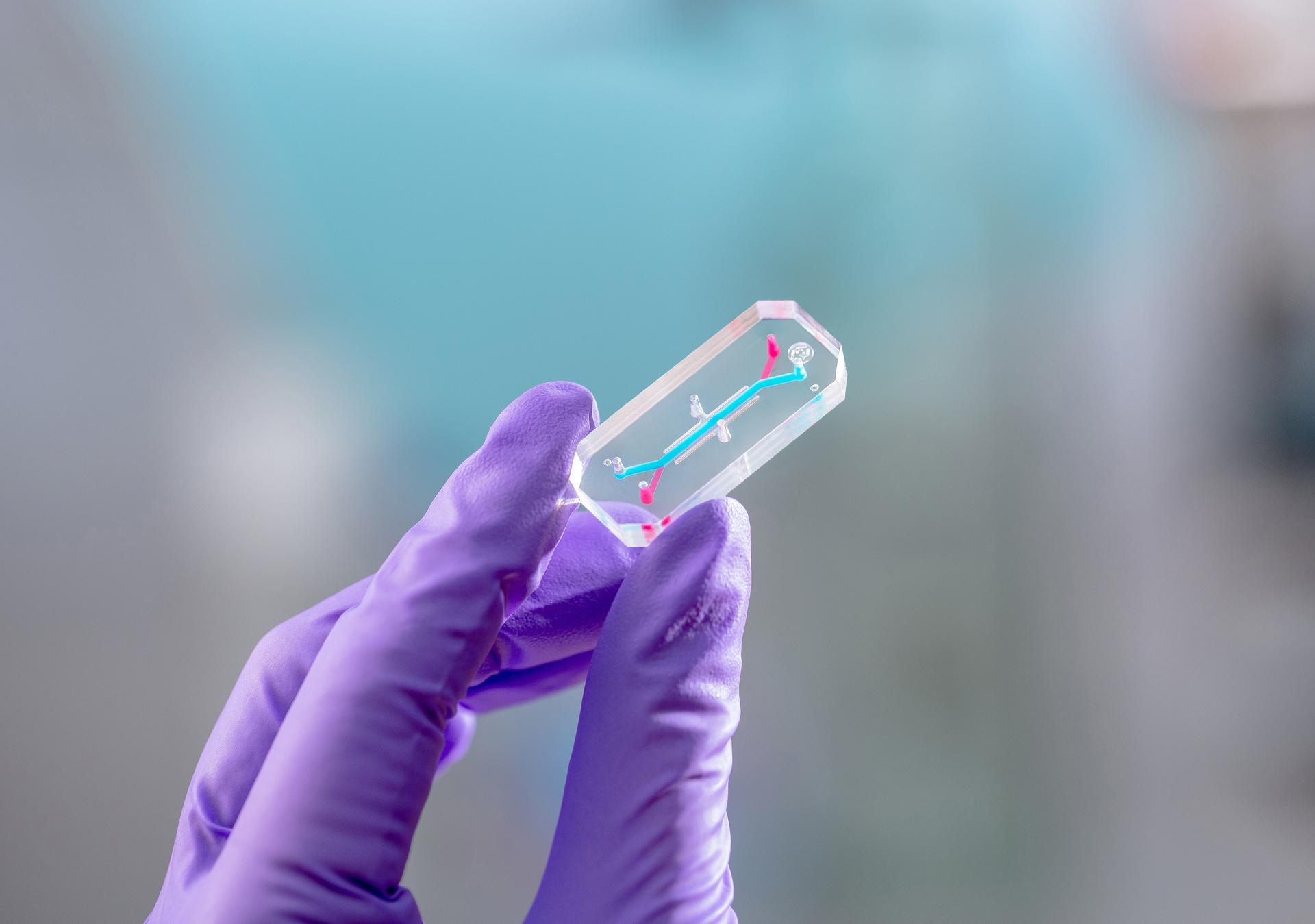
The AVATAR (A Virtual Astronaut Tissue Analog Response) investigation will use organ-on-a-chip devices, or organ chips, to study a effects of increased radiation and microgravity on human health. Artemis II AVATAR is a small experiment flying aboard Artemis II that could lead to big impacts in healthcare, both for astronauts in space and citizens on Earth. For more information on AVATAR: go.nasa.gov/4m5dGH9
The NASA Space Biology Program within the Biological and Physical Sciences (BPS) Division investigates how living systems respond across the full spectrum of biological organization to advance understanding of how living systems respond to the unique stressors of space exploration—including microgravity, ionizing radiation, low magnetic fields, and elevated CO₂. As NASA prepares for long-duration deep space missions, the need to protect individual crew members with personalized, data-driven health strategies is becoming increasingly important.
The original AVATAR(A Virtual Astronaut Tissue Analog Response) investigation, which flew aboard the Artemis II mission, marks a significant milestone: organ-on-a-chip devices constructed from the cells of actual crew members returned from a 10-day lunar flyby on April 10, 2026. AVATAR is the first demonstration of an Artemis astronaut analog using an organ-on-a-chip model to generate personalized biological insights that can inform medical kits and countermeasures for future deep space missions.
Digital twins represent a key strategy for addressing these challenges. By developing individualized computational physiological models that can be iteratively refined with empirical data, these frameworks integrate environmental, physiological, and multi-omics inputs. This approach allows for the simulation and prediction of how a specific individual will respond to spaceflight stressors.
The BPS Digital AVATAR Challenge invites the scientific community to apply innovative computational digital twin technologies to accelerate biological discovery, biochemical and molecular modeling, and predictions of individual astronaut health outcomes. The digital twin will be a computational model of how the AVATAR bone marrow chip responds to spaceflight stressors.
The proposed digital twin frameworks must be capable of processing diverse multi-modal datasets and leverage established computational biology methods alongside modern digital twin architectures to create personalized, predictive models of astronaut physiology. These systems are expected to model each astronaut’s immune and bone marrow hematopoietic responses to spaceflight, integrating multi-modal data to generate tailored health predictions — including comparative analysis that distinguishes individual-specific effects from effects common across the crew. Proposals should also demonstrate a pathway to continuous model updating as new empirical data become available, reflecting the iterative nature of a true digital twin.
Award: $150,000 in total prizes
Registration Open Date: November 16, 2026
Submission Deadline: February 12, 2027
For more information including registration, rules, and eligibility, visit: https://work.crowdplat.com/challenge/bps-digital-twin-challenge
Was this page helpful?
Δ
Was this page helpful?
Yes
No
Submit
×
Notifications