Boeing Starliner Path Forward: NASA Outlines Post-Flight Recovery Strategy
Following the uncrewed return of the CST-100 Starliner, NASA and Boeing are recalibrating the commercial crew vehicle's development roadmap to address thruster performance and helium leaks.
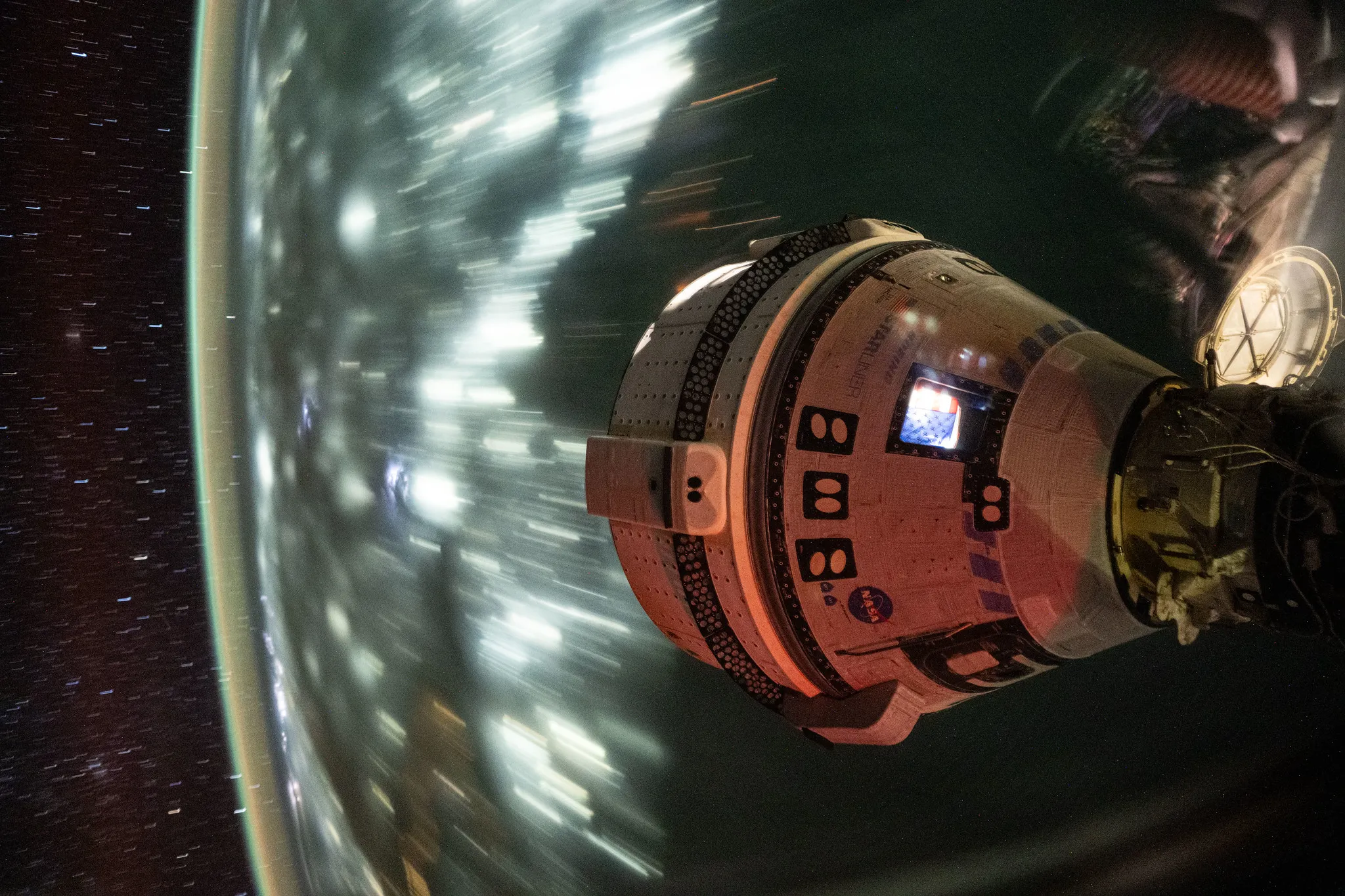
Technical Post-Mortem Underway
Following the recent uncrewed return of the CST-100 Starliner from the International Space Station (ISS), NASA and Boeing have officially shifted into a comprehensive data-review phase. According to NASA Breaking News, the agency is prioritizing a deep-dive analysis into the anomalies recorded during the Crew Flight Test (CFT), specifically the Reaction Control System (RCS) thruster degradation and persistent helium leaks within the propulsion manifold.
Starliner-1 Mission Status
Agency officials have confirmed that the timing for the Starliner-1 mission—the spacecraft’s first scheduled operational rotation—is currently under assessment. The certification process remains the primary hurdle. Before Boeing can begin regular taxi services to the ISS, NASA must complete a formal flight evaluation, which includes incorporating hardware modifications and software updates derived from the CFT findings.
Strategic Redundancy in LEO
The collaboration remains focused on establishing a second domestic crew transportation system to ensure continuous access to Low Earth Orbit (LEO). NASA emphasizes that having both SpaceX’s Dragon and Boeing’s Starliner operational is essential for ISS logistics and contingency planning.
Boeing engineers are currently inspecting the Calypso capsule at the Kennedy Space Center to correlate flight telemetry with physical hardware wear. The next milestone involves a joint Program Implementation Review to finalize the corrective action plan required for human-rated certification.