BOEING STARLINER: HARDWARE FIXES PUSH CREWED RETURN TO 2028
NASA and Boeing announce a dual-track recovery plan for Starliner, scheduling an uncrewed flight for late 2024 to validate critical system redesigns before astronauts return in 2028.
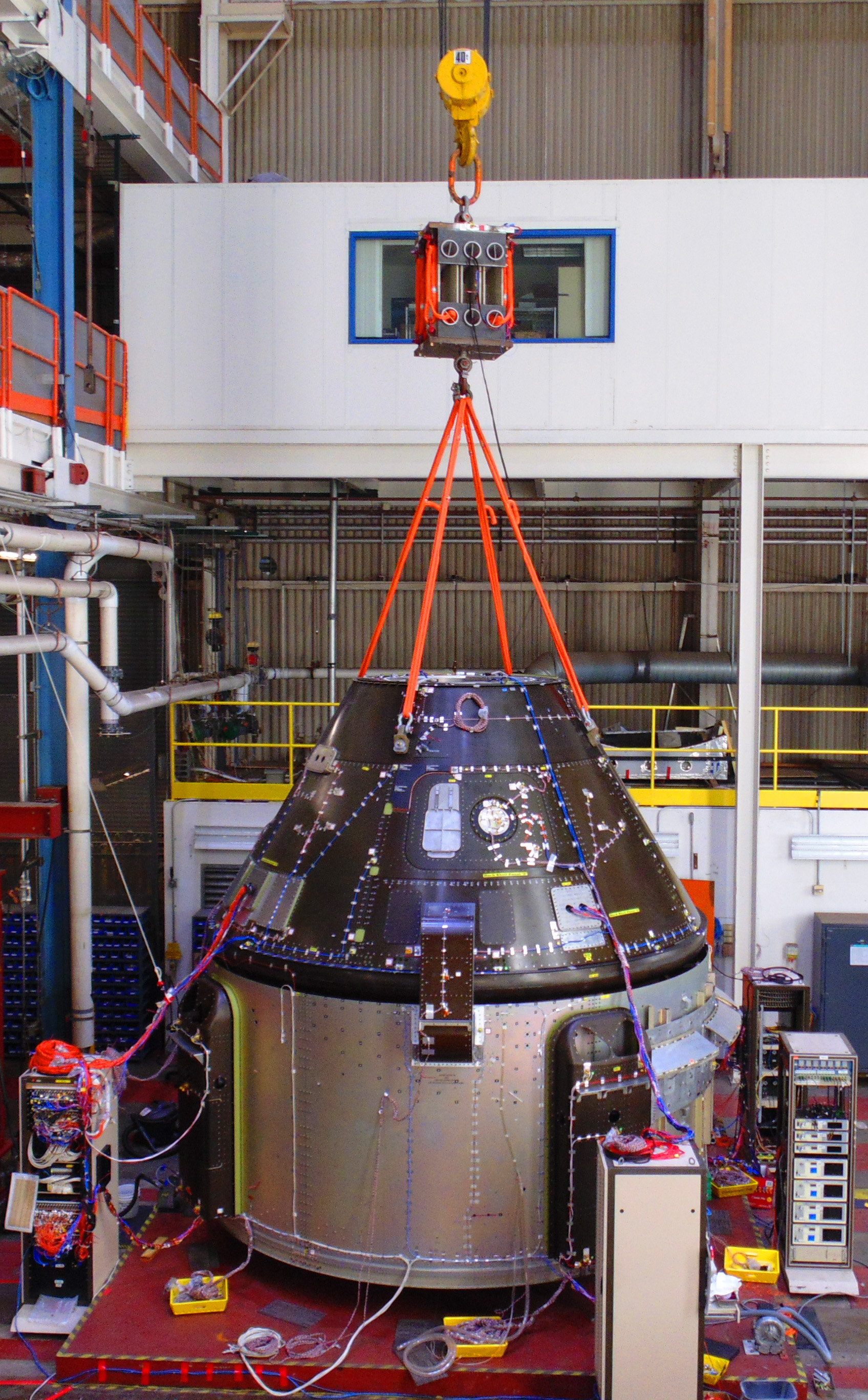
SYSTEM STATUS: RECOVERY
NASA and Boeing have finalized the roadmap for Starliner’s return to flight, prioritizing technical validation over immediate crewed operations. According to Payload, the program will attempt an uncrewed orbital flight test (OFT) no earlier than (NET) December of this year. If successful, a crewed mission led by astronaut Woody Hoburg is slated for mid-2028.
This delay follows the 2024 test flight that left two astronauts stranded on the International Space Station (ISS) for nine months due to propulsion failures. NASA Administrator Jared Isaacman confirmed that engineering teams have identified and addressed the primary failure points. The service module's helium leaks were traced to seal degradation; these have been replaced with new materials and tighter tolerances.
Additional hardware modifications include:
Thruster Valve Controls: New purge protocols to prevent corrosion-induced valve sticking.
Thermal Management: Significant redesign of the service module’s thermal architecture to prevent thruster overheating.
MARKET DYNAMICS
The persistence with Starliner is a strategic hedge. Currently, SpaceX is the sole provider for NASA’s Commercial Crew Program. Isaacman noted that as SpaceX pivots focus toward Starship, the agency requires a secondary redundant vehicle to maintain a steady cadence of crewed launches—targeted at one every six months through the 2030s. The goal remains a multi-provider orbital economy, with NASA signaling an open door for private capital to develop additional crewed spacecraft as the ISS nears its transition to commercial destinations.