Blue Origin Pinpoints BE-4 Failure to Main Oxygen Valve
A post-incident investigation into the May static-fire explosion of a New Glenn rocket has identified a faulty liquid oxygen valve as the root cause.
Technical Investigation Complete
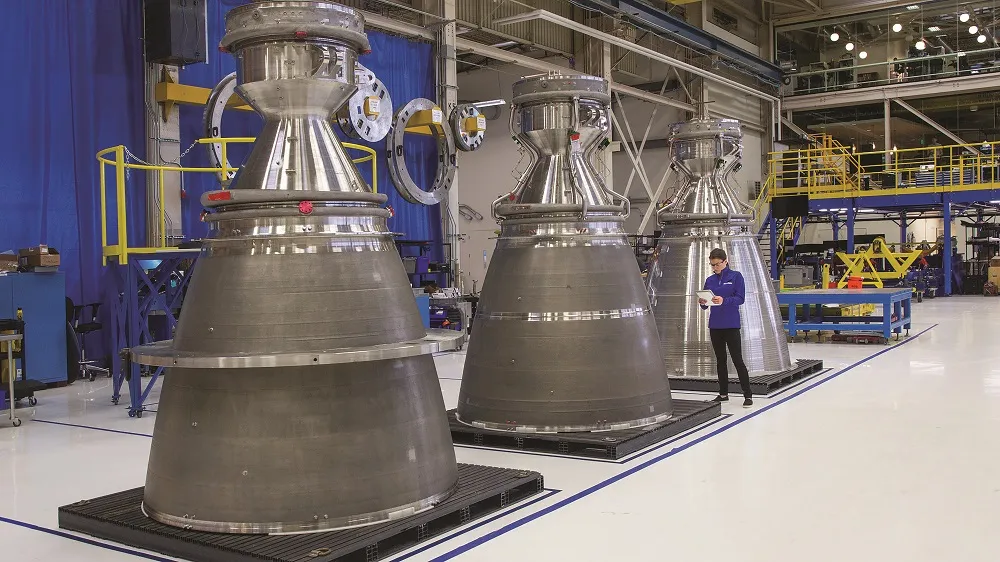
Blue Origin CEO Dave Limp has confirmed the root cause of the May 28 explosion that decimated a New Glenn first stage and compromised Launch Complex 36. According to SpaceNews, the anomaly originated within a main liquid oxygen valve on one of the seven BE-4 engines. Hardware recovery and subsequent inspections verified the failure point, prompting an immediate redesign effort.
Mitigation and Retrofit
The company is currently manufacturing updated hardware to resolve the valve malfunction. Limp indicated that the modifications are minor enough to be quickly retrofitted to existing engine inventories, with the new components expected to be ready by the end of August. While the fault tree analysis remains ongoing, Blue Origin appears confident that this targeted fix addresses the primary failure mode identified during engine hotfire testing.
Collateral Impact on Vulcan
The findings carry significant implications for United Launch Alliance (ULA). The BE-4 engine serves as the primary propulsion for ULA’s Vulcan Centaur rocket. Although Vulcan has been grounded since February due to unrelated solid rocket motor issues—linked to Northrop Grumman’s GEM 63XL—this new hardware deficiency in the BE-4 core may further complicate ULA’s return-to-flight timeline.
Operational Outlook
Despite the severity of the May explosion, Blue Origin maintains an aggressive schedule to restore Launch Complex 36 and achieve a New Glenn maiden flight by the end of the year. However, with the investigation into the BE-4 still finalizing and Pad 36 requiring extensive reconstruction, industry observers remain cautious regarding the feasibility of a Q4 launch.