Bio-Regenerative Security: NASA and Global Partners Scale Space Agriculture
NASA and its international allies are intensifying research into space-based crop production to ensure food security for long-duration lunar and Martian missions.
# Orbital Harvest: The Push for Off-World Food Security
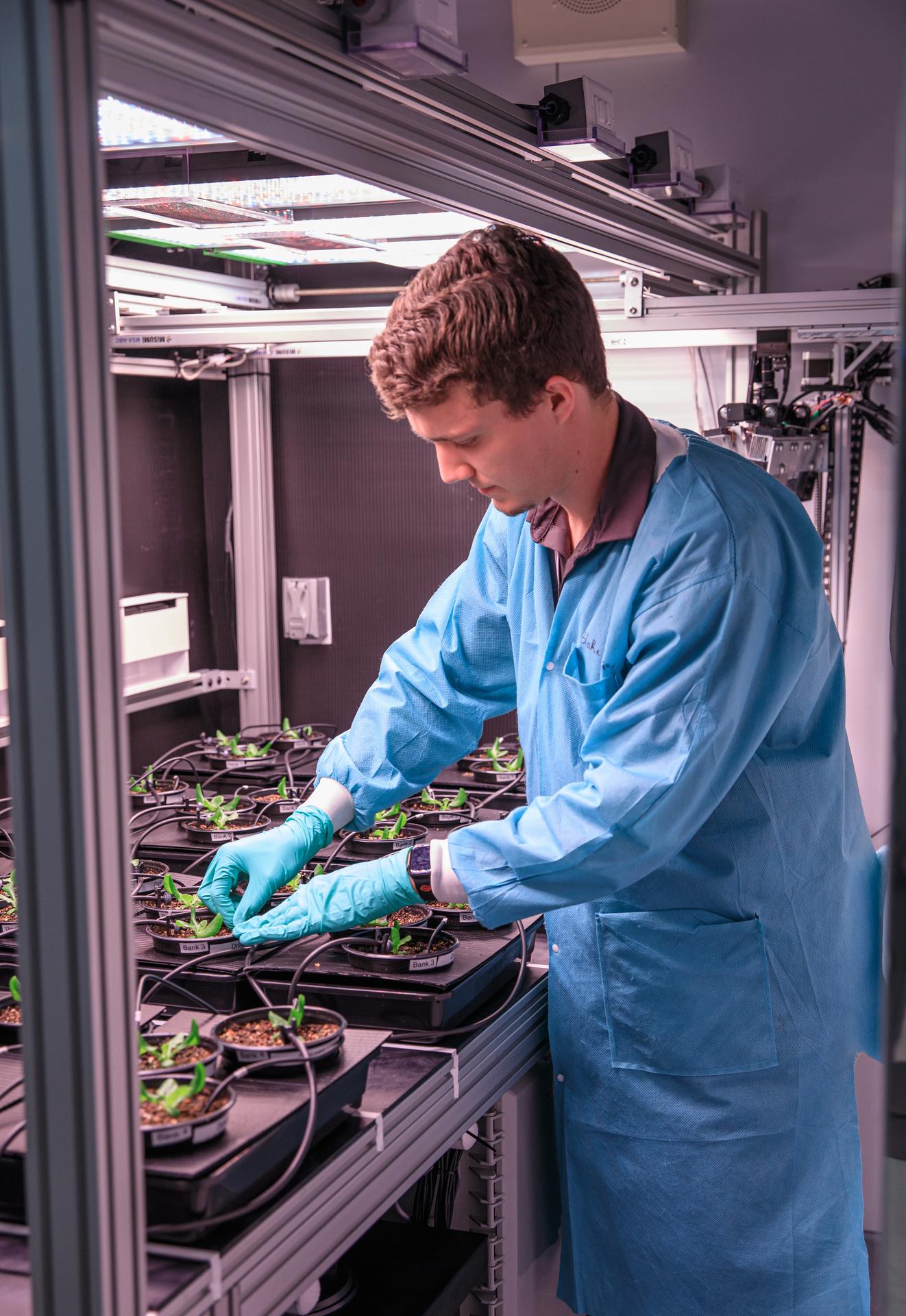
Data protocols from NASA Breaking News confirm that the agency, alongside a coalition of international partners, is accelerating the development of space-grade agricultural systems. The objective is the establishment of a reliable, bio-regenerative food source to sustain human life beyond Low Earth Orbit (LEO).
The Logistics of Deep Space Nutrition
Supplying expeditions to the Moon and Mars via traditional Earth-to-orbit logistics is resource-intensive and high-risk. Current research focuses on mitigating these dependencies by refining crop cultivation in microgravity and partial-gravity environments. According to NASA, the integration of plant-based systems provides more than caloric intake; it offers oxygen recycling and carbon dioxide scrubbing, essential for life support system redundancy.
International Synergy
This advancement is not a localized effort. The project utilizes data from the International Space Station (ISS) and ground-based analogues to identify plant varieties capable of thriving under ionizing radiation and altered atmospheric pressures. These studies are critical for the Artemis program’s goal of a sustainable lunar presence. By testing diverse cultivars, researchers are optimizing nutrient density and growth cycles to fit the constrained footprints of future planetary habitats.
Strategic Outlook
As human transit to Mars becomes a logistical reality, the shift from pre-packaged rations to living systems represents a fundamental transition in mission architecture. The focus remains on autonomous cultivation—reducing the crew time required for maintenance while maximizing the psychological and physiological benefits of fresh produce in hostile environments.