Bio-Regenerative Logistics: The Blueprint for Lunar Agriculture
NASA-backed commercial ventures are deploying modular greenhouses and AI monitoring systems to secure the food supply for upcoming Artemis lunar base operations.
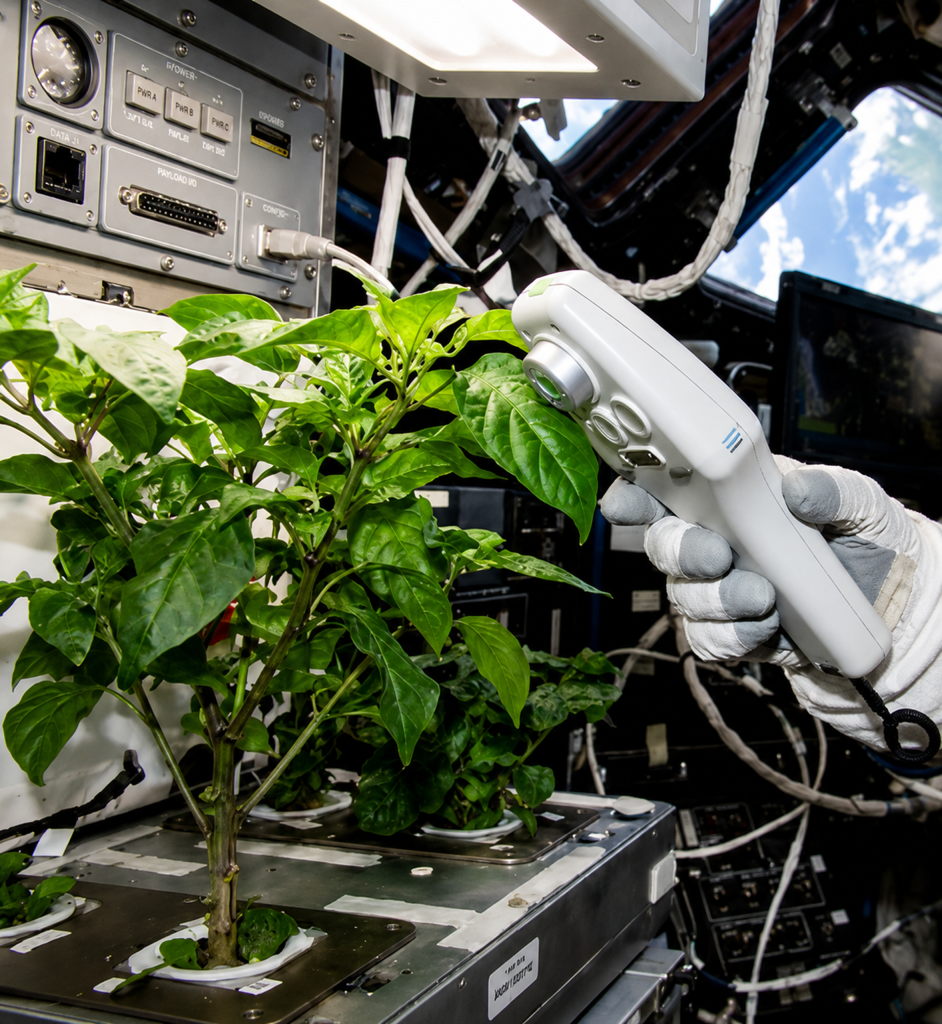
As NASA targets 2028 for the initial assembly of a lunar base, the commercial focus is shifting from transport to sustenance. According to SpaceNews, a specialized sector of the industry is currently engineering the closed-loop systems required to feed crews during long-duration stays on the Moon and, eventually, Mars.
Autonomous Cultivation
Space Lab Technologies is spearheading the Lunar Effects on Agricultural Flora (LEAF) experiment. Targeted for an Artemis lunar landing in 2028, LEAF utilizes a solar-powered, four-legged growth chamber designed to cultivate Brassica rapa and thale cress. The unit operates autonomously, regulating atmosphere and nutrients while shielding seedlings from harsh radiation. Post-mission, samples will be returned to Earth to analyze how partial gravity affects plant genetics and nutritional density.
Scalable Infrastructure
While Space Lab matures its modular hardware—securing nearly $20 million in NASA contracts—Interstellar Lab is developing scalable bio-farming solutions. Their closed-loop systems are slated for deployment on Vast’s Haven-1 station next year. These units utilize AI to optimize irrigation and lighting, serving as a precursor to large-scale lunar greenhouses. Complementing these physical structures, SafetySpect is refining handheld sensors to detect plant stress and pathogens in real-time, ensuring crop viability before failure occurs.
Economic Outlook
These technologies represent more than survival hardware. Space Lab’s leadership notes that off-world agriculture is a gateway to biomanufacturing, enabling the production of medicine, biofuels, and plastics in situ. SafetySpect estimates that the addressable market for autonomous controlled-environment agriculture could soon reach tens of millions in annual revenue, transforming lunar greenhouses into a cornerstone of the cis-lunar economy.