Besxar Validates Suborbital Semiconductor Fabrication Hardware
Silicon Valley startup Besxar has successfully tested its proprietary vacuum canisters and hardware heritage during a suborbital flight aboard a SpaceX Falcon 9.
Mission Status: Nominal
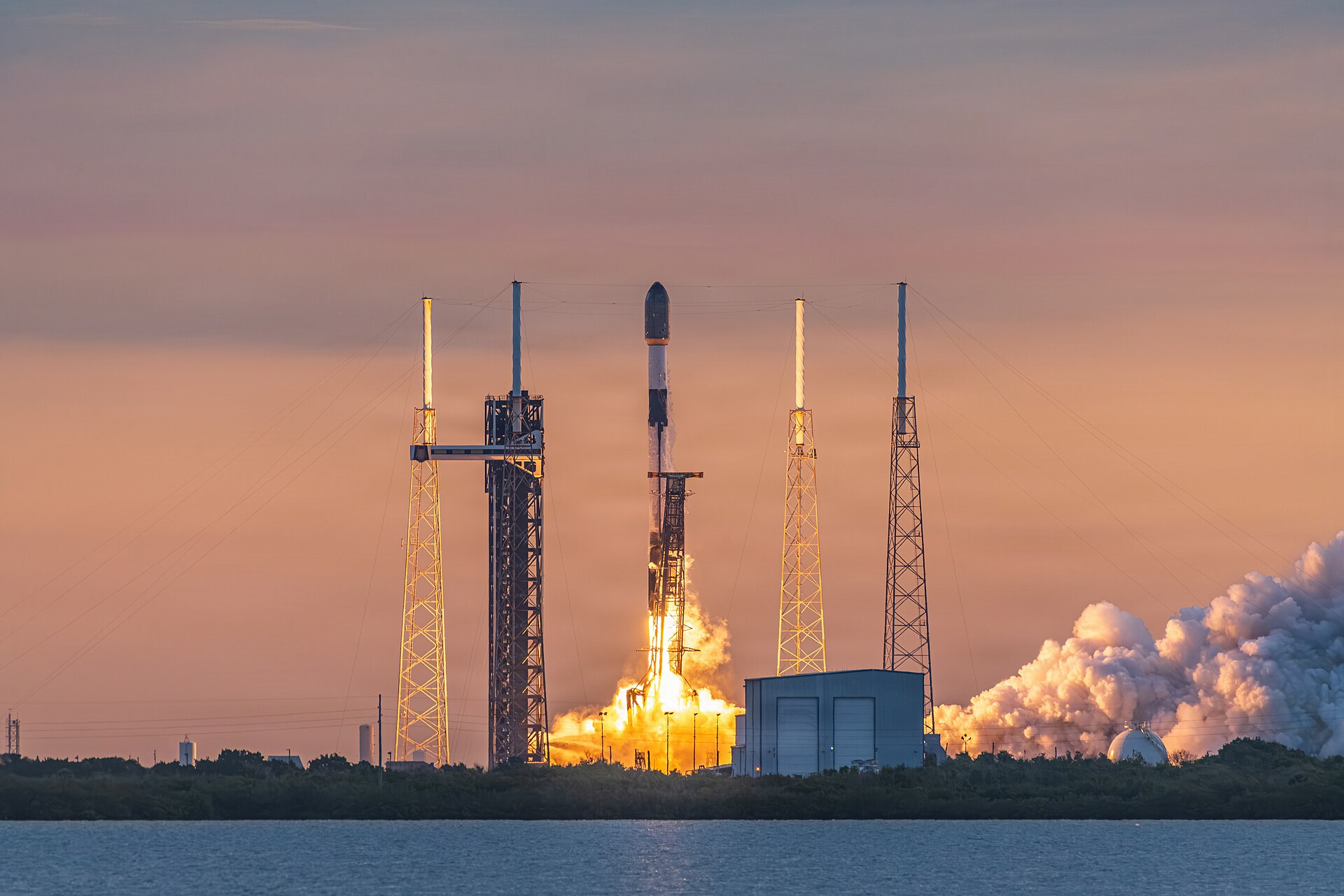
Besxar has achieved a critical hardware milestone, successfully demonstrating its semiconductor manufacturing technology above the Kármán line. The July 5 suborbital mission, launched via SpaceX Falcon 9, serves as the primary technical validation for Besxar’s strategy to commoditize the vacuum of space for high-end electronics production. According to Payload, the mission carried semiconductor wafers from Besxar as well as research samples from the University of Virginia and UT Austin.
The Vacuum Advantage
Terrestrial semiconductor fabrication requires artificial vacuums that cost billions in infrastructure and power. Besxar’s operational thesis relies on the free, high-quality vacuum available in Low Earth Orbit (LEO). CEO Ashley Pilipiszyn notes that by eliminating the overhead of Earth-bound pumps, the company can produce higher-quality chips at a lower cost-point for terrestrial sale.
Technical Validation
The primary objective was to test Besxar’s custom canisters. These units must permit vacuum ingress while filtering out contaminants like atomic oxygen. Data confirms the hardware protected the wafers throughout the entire flight profile, including the high-stress re-entry phase. Unlike competitors developing proprietary return vehicles, Besxar is leveraging its launch provider for re-entry; this mission returned to Earth directly aboard the Falcon 9 booster.
Strategic Trajectory
Backed by a $9.35M seed round led by Dauntless Ventures and Overture VC, Besxar has secured a contract for 12 suborbital flights with SpaceX. With the first mission complete, the company is preparing for a second launch before year-end. Future operations are expected to integrate with heavy-lift platforms like Starship for sustained orbital manufacturing cycles.
Source: Payload