BepiColombo: Navigating the Solar Furnace
Europe and Japan’s joint mission to Mercury enters a critical phase, utilizing a complex series of gravity assists to reach the innermost planet.
Orbital Insertion Protocols
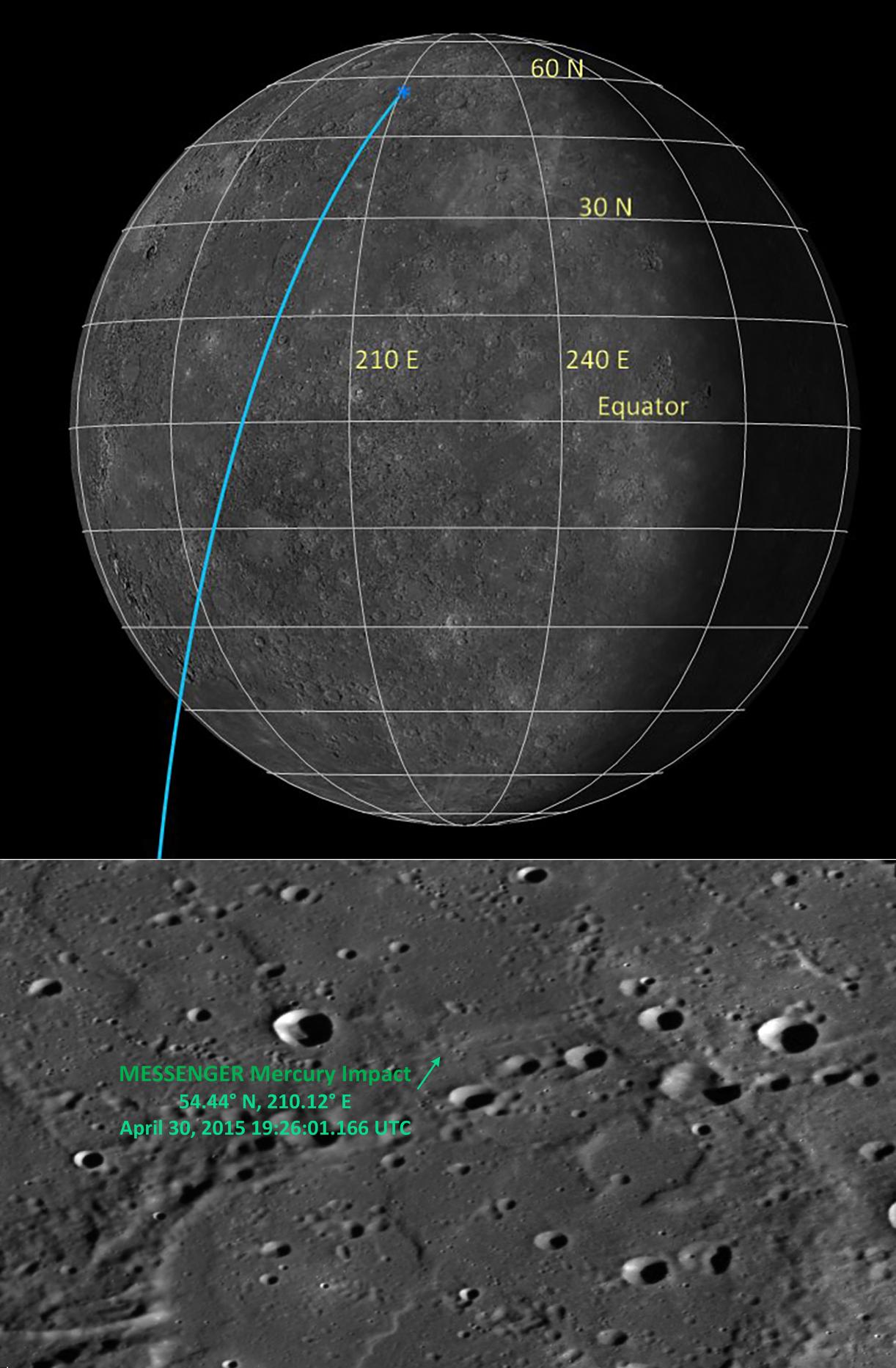
The BepiColombo mission, a collaborative deep-space initiative between the European Space Agency (ESA) and the Japan Aerospace Exploration Agency (JAXA), represents the most sophisticated attempt to chart the Hermean environment. According to ESA YouTube, the mission is currently executing a high-precision trajectory designed to overcome the immense gravitational pull of the Sun while decelerating to enter Mercury’s orbit.
The Dual-Probe Configuration
Unlike traditional single-satellite missions, BepiColombo utilizes two distinct spacecraft: the Mercury Planetary Orbiter (MPO) and the Mercury Magnetospheric Orbiter (Mio). These units are transported via the Mercury Transport Module (MTM), which provides the solar-electric propulsion necessary for the seven-year transit. This dual-layer approach allows for simultaneous mapping of the planet’s surface and its unique magnetosphere, providing a stereoscopic view of how the solar wind interacts with the scorched planetary crust.
Navigation Challenges
Reaching the innermost planet is an exercise in extreme orbital mechanics. The spacecraft must shed significant orbital energy. To achieve this without carrying prohibitive amounts of fuel, the mission relies on nine planetary flybys—one of Earth, two of Venus, and six of Mercury itself. These gravity assists act as a natural braking system, gradually tightening the probe's loop around the Sun.
Upon arrival, the two orbiters will separate to begin their primary scientific objectives. Data retrieved will address long-standing anomalies regarding Mercury’s iron core and the presence of water ice in permanently shadowed polar craters. The mission remains a cornerstone of European planetary science, pushing the thermal limits of current aerospace hardware.