Avio Downgrades Demonstrator Ambitions Due to Technical Friction
According to European Spaceflight, Italian propulsion firm Avio is scaling back its demonstrator programs, shifting focus to mitigate technical risks following a series of development challenges.
SYSTEM STATUS: OPERATIONAL
REPORTING SOURCE: EUROPEAN SPACEFLIGHT
Italian aerospace contractor Avio has officially signaled a reduction in the scope of its liquid-propulsion demonstrator programs. Following a period of intense technical scrutiny and development hurdles, the company is pivoting to a more conservative roadmap to ensure long-term stability for its next-generation engine platforms.
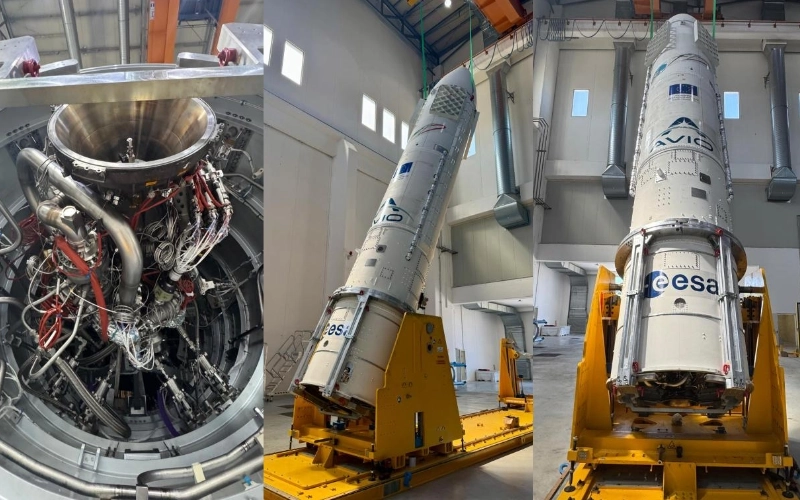
According to European Spaceflight, the strategic retreat centers on the technical complexities inherent in high-performance liquid oxygen and methane (methalox) systems. While Avio remains committed to the development of the M10 engine—designed to power the upper stage of future Vega configurations—the broader demonstrator initiatives that were intended to push the boundaries of reusable hardware and rapid prototyping are being narrowed.
Internal assessments indicate that the complexity of hardware integration and specific thermal management failures have contributed to this shift. By scaling back, Avio aims to consolidate its engineering resources on the immediate delivery of the Vega C and the transition to the Vega E variant. This reduction in experimental scope suggests a prioritization of flight-readiness over radical innovation in the short-term window.
Market observers note that this decision follows a turbulent period for the Vega program, including recent launch anomalies. The refocusing of the demonstrator roadmap is seen as a risk-mitigation maneuver intended to restore confidence among ESA stakeholders and commercial partners. Avio has not yet detailed a specific revised timeline for the impacted demonstrators, but the primary objective remains the validation of the M10 engine's reliability and performance metrics under static fire conditions.