Autonomous Mini-Labs to Drive Orbital Research Efficiency
NASA-developed automated mini-laboratories are set to streamline International Space Station research, reducing crew requirements and accelerating biological data collection in microgravity.
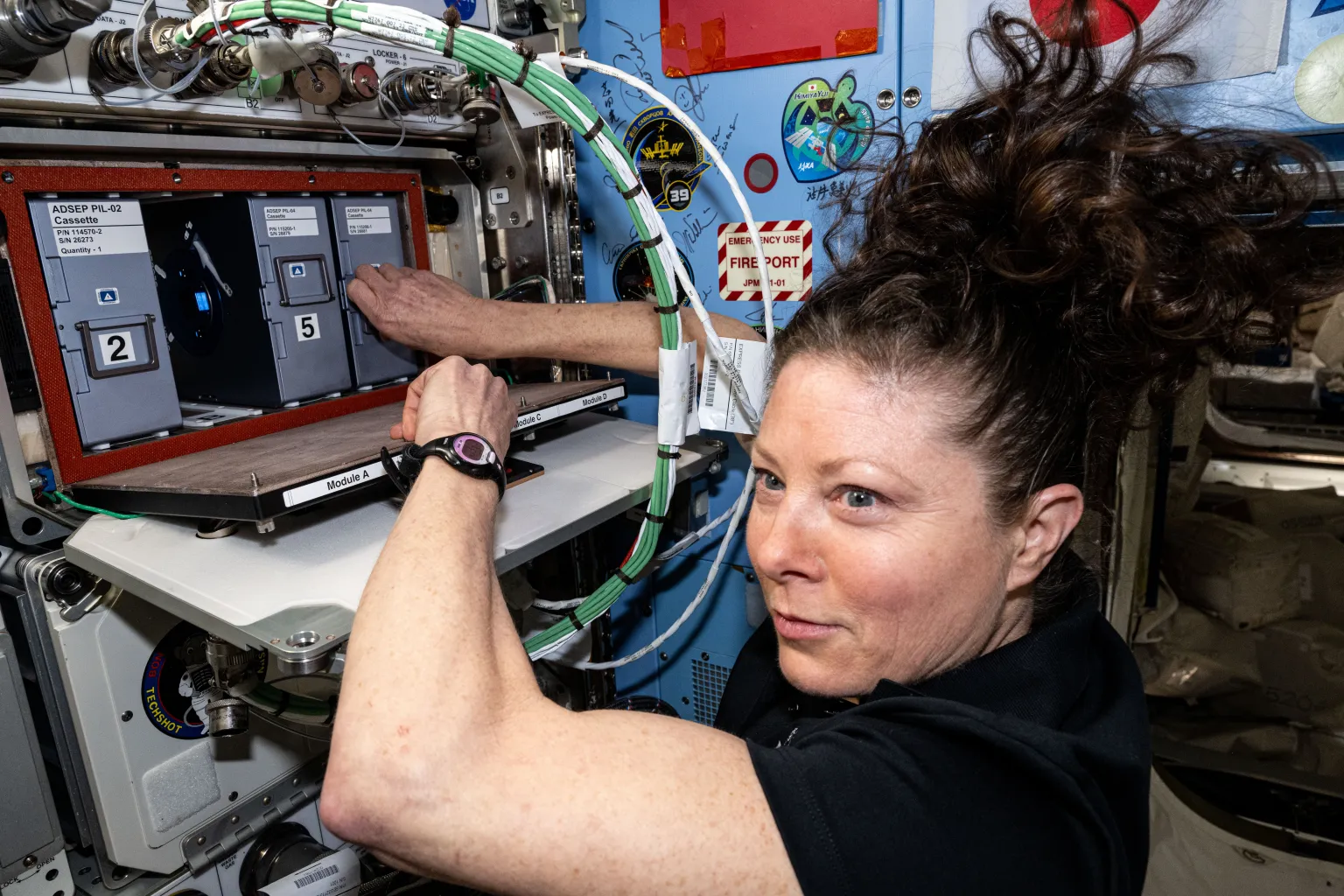
DATA OVERRIDE: AUTOMATION AT THE FRONTIER
Operational efficiency aboard the International Space Station (ISS) is entering a new phase of modernization. According to NASA Breaking News, the integration of advanced, automated mini-laboratories is designed to optimize biological and physical science research by reducing reliance on manual crew intervention.
SYSTEM SPECIFICATIONS
These compact laboratory units function as self-contained experimental ecosystems. By automating fluid handling, imaging, and environmental regulation, the systems allow researchers on Earth to execute complex protocols remotely. This shift is critical as the ISS transitions toward more commercial and high-throughput scientific output. Key features include:
- Automated Fluidics: Precision delivery of nutrients or chemical triggers without astronaut oversight.
- Real-time Telemetry: Instantaneous data transmission to ground control centers.
- High-Resolution Imaging: On-board microscopy provides visual confirmation of experimental progress in microgravity.
STRATEGIC IMPACT
With the upcoming Moon Base missions and Artemis-linked cargo landers, crew time remains the most valuable resource in orbit. Offloading routine lab maintenance to these autonomous systems ensures that human operators can focus on critical mission tasks, such as navigation system calibration and lunar surface preparation. Furthermore, these units facilitate rapid-cycle testing for pharmaceuticals and material sciences, providing a scalable model for future orbital industrialization. As NASA continues to deliver hardware like the NavCube3-mini for lunar relays, the precedent for miniaturized, smart hardware becomes the standard for all upcoming deep-space infrastructure.