Atmospheric Stagnation: Why the ISS Requires Artificial Airflow
In microgravity, air does not circulate via natural convection. Without a complex network of fans, astronauts risk carbon dioxide poisoning from their own exhalations.
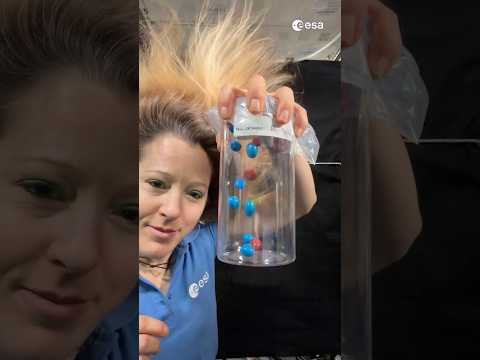
The Physics of Stagnation
On Earth, the phenomenon of convection ensures that warm air rises while cooler, denser air sinks. This natural thermal movement facilitates the constant displacement of gases. However, orbital physics negate these effects. In the microgravity environment of the International Space Station (ISS), the absence of buoyancy means that air remains stationary unless acted upon by external force.
The CO2 Hazard
According to technical briefings via the ESA YouTube channel, this lack of convection poses a lethal risk to the crew. As an astronaut breathes, they emit carbon dioxide. Without active circulation, this CO2 does not disperse. Instead, it forms a localized, invisible bubble of exhaled gas around the astronaut’s head. If allowed to persist, the concentration of CO2 within this bubble increases until the individual begins re-breathing their own waste gas, leading to hypoxia and eventual asphyxiation.
Life Support Architecture
To mitigate this biological hazard, the ISS is equipped with an extensive network of internal fans. These mechanical systems are not designed for thermal comfort, but for survival. Continuous forced ventilation ensures that the atmospheric composition remains uniform throughout the station modules. These fans are a critical component of the Environmental Control and Life Support System (ECLSS), preventing the formation of stagnant gas pockets in work areas and sleeping quarters.
Regular maintenance of these units is mandatory. A failure in the ventilation subsystem is classified as a high-priority emergency, as the environment effectively becomes toxic to its inhabitants within a short duration. Controlled airflow is the only barrier between the crew and the inherent dangers of gas stratification in orbit.