ASI Validates Artificial Gravity Research Platform Concept
Italy's space agency is advancing plans for a dedicated orbital laboratory to study artificial gravity, potentially securing a vital role in long-duration human spaceflight logistics.
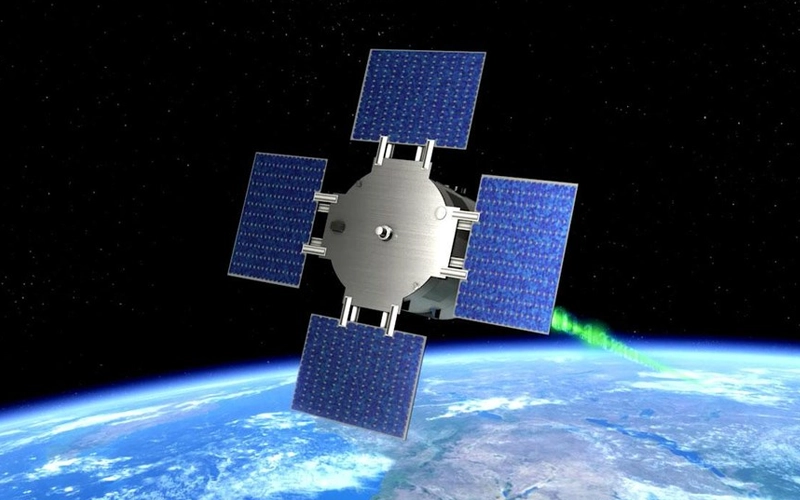
STRATEGIC ORBITAL ASSET: ARTIFICIAL GRAVITY
The Italian Space Agency (ASI) has initiated preliminary exploration into the development of an orbital research platform dedicated to artificial gravity. As the International Space Station approaches its decommissioning phase, Rome is positioning itself to lead critical physiological research necessary for deep-space transit. According to European Spaceflight, this initiative aims to address the biological degradation associated with prolonged microgravity exposure.
TECHNICAL ARCHITECTURE
The proposed platform is envisioned as a rotating laboratory, utilizing centrifugal force to simulate Earth-standard or partial gravity. Such a facility would serve as a high-fidelity testbed for studying the long-term effects of varying gravity levels on human musculoskeletal and cardiovascular systems. Unlike existing static modules, this architecture requires precise rotational dynamics to ensure structural integrity and stable experimentation environments.
INDUSTRIAL ALIGNMENT
Italy’s aerospace sector, led by entities like Thales Alenia Space, already possesses significant heritage in pressurized module construction. This project leverages that industrial baseline to transition from passive living quarters to active biological research hardware. By spearheading an artificial gravity platform, Italy intends to secure a permanent strategic niche in the post-ISS era, providing essential data for future crewed missions to Mars and beyond. The study focuses on feasibility, power requirements, and the mechanical complexities of maintaining persistent rotation in Low Earth Orbit (LEO).