Arianespace Targets 2029 for GEO Rideshare Operations
Arianespace and Infinite Orbits sign a strategic agreement to establish direct-to-GEO rideshare capabilities, aiming to end European dependency on U.S. launch providers.
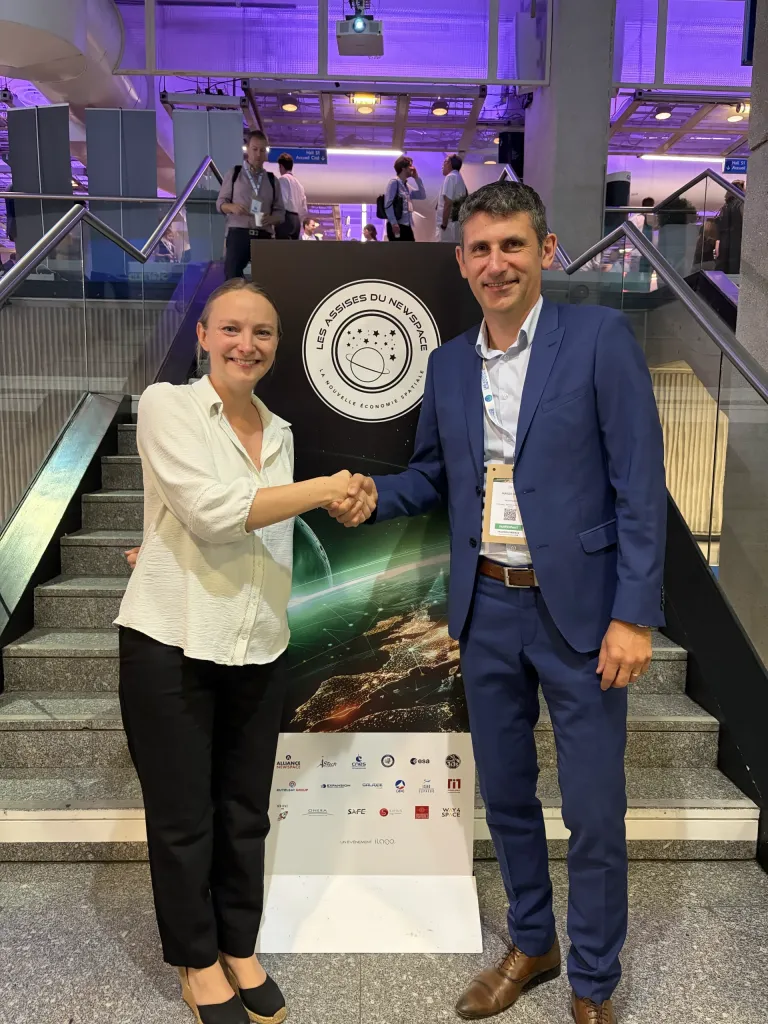
GEO Dominance Through Collaborative Lift
In a move to secure European orbital sovereignty, Arianespace has formalized a Memorandum of Understanding with French in-orbit servicing firm Infinite Orbits. According to SpaceNews, the partnership focuses on deploying multiple direct-to-GEO rideshare services, projected to materialize by 2029.
The initiative addresses a critical strategic vulnerability. While the Ariane 6 and Vega C platforms have executed rideshare missions, Europe currently lacks an established, frequent direct-to-GEO or direct-to-LEO pipeline for commercial small satellites.
Mitigating the SpaceX Bottleneck
European satellite operators currently rely on SpaceX’s Falcon 9 Transporter and Bandwagon programs for approximately 25% of their lift requirements globally. Industry analysts warn of a potential market bottleneck after 2028 should U.S. providers alter or suspend these programs.
Adel Haddoud, CEO of Infinite Orbits, emphasized that without responsive launch capabilities, European space sovereignty remains theoretical. To bridge this gap, Arianespace is exploring two primary configurations for the 2029 window:
Full Ariane 64 rideshare missions: Dedicated flights for small satellite clusters.
Piggyback opportunities: Integrating small payloads as secondary cargo on larger primary missions.
Strategic Expansion
Beyond geostationary targets, Arianespace confirmed receipt of various requests for Low Earth Orbit (LEO) rideshare slots. David Iranzo Greus, VP of strategy at Arianespace, indicated that high demand signals could trigger the formalization of LEO services.
Industry leaders across the continent, including representatives from Exolaunch and RIDE! Space, are calling for government-backed annual heavy-lift programs to ensure consistent, sovereign access to space. Whether through direct subsidies or competitive institutional contracts, the objective remains clear: decoupling European infrastructure from foreign launch providers.