Arctic Oxidation: Permafrost Thaw Renders Rivers Toxic
Orbital and ground-level monitoring confirm that Alaska’s pristine Arctic rivers are turning orange due to toxic mineral leaching—a direct consequence of accelerating permafrost degradation.
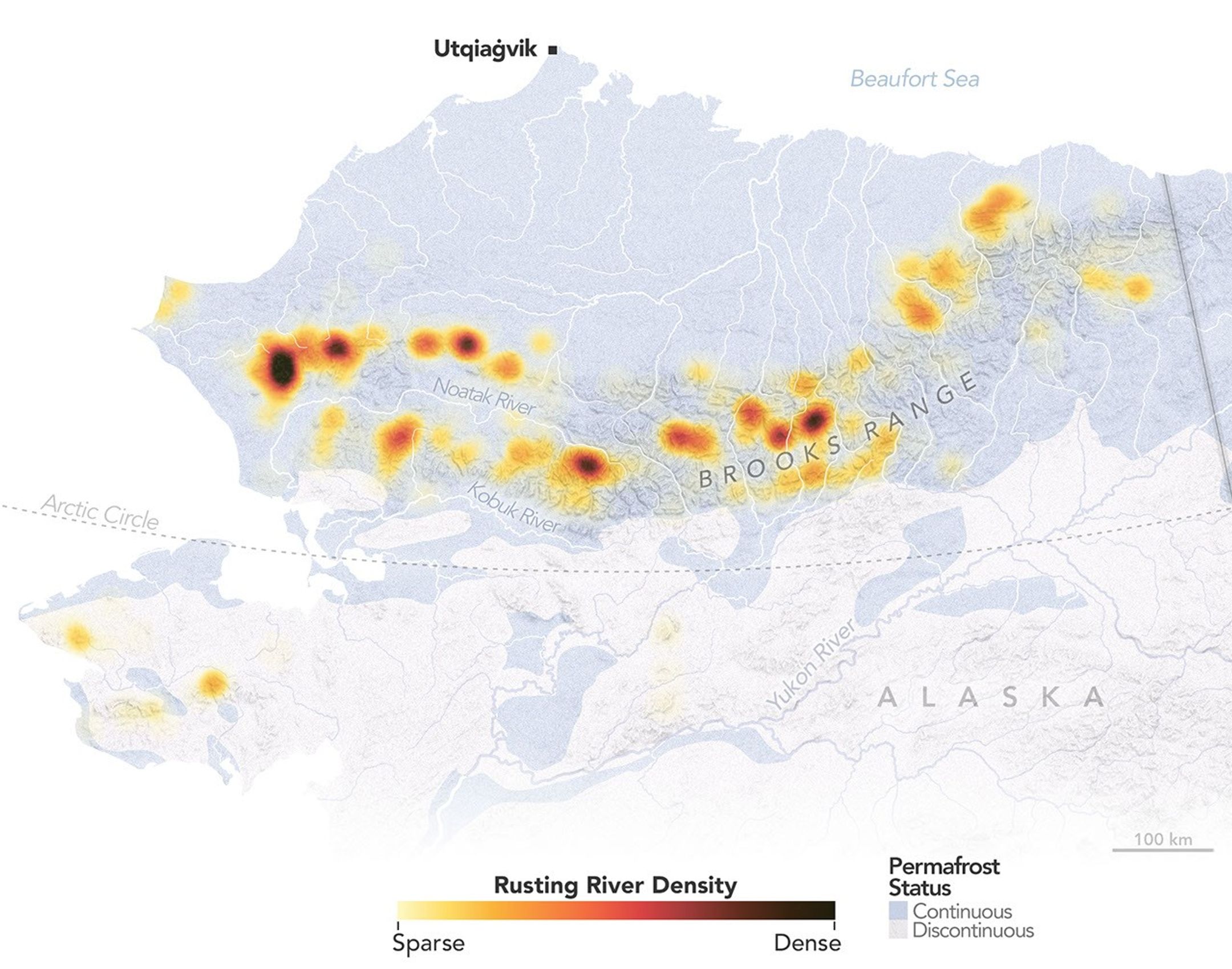
Data Analysis: Terrestrial Oxidation Escalates
Atmospheric warming is triggering a geochemical shift in the Arctic, transforming once-pristine waterways into zones of high toxicity. According to NASA Breaking News, researchers have documented a startling visual and chemical shift in Alaska’s Brooks Range: rivers are turning a vivid, rusted orange.
The Mechanism of Failure
Satellite surveillance and field telemetry indicate that this discoloration is not a surface-level anomaly. As permafrost—the subsurface soil that has remained frozen for millennia—continues to thaw, it exposes previously sequestered minerals to the oxygenated hydrological cycle. The process, known as mineral weathering, releases iron and toxic heavy metals into the watershed.
Ecological Degradation Metrics
Data logs from the Brooks Range show significant spikes in iron and sulfuric acid concentrations. The impact on the local biosphere is severe:
Habitat Loss: Increased acidity and metal loads are lethal to aquatic life.
Hydrological Contamination: Remote drinking water sources are being rendered non-potable.
* Ecosystem Shift: The orange tint reduces light penetration, disrupting photosynthesis in aquatic flora.
While the visual shift is dramatic, the underlying threat is the rapid mobilization of chemicals that have been locked in the deep freeze since the last glacial period. This is a terrestrial failure mode directly linked to rising global temperatures, manifesting as an irreversible change in one of the planet's last wilderness frontiers.