Archeological Anomaly: Analyzing the Oldest Extraterrestrial Sample
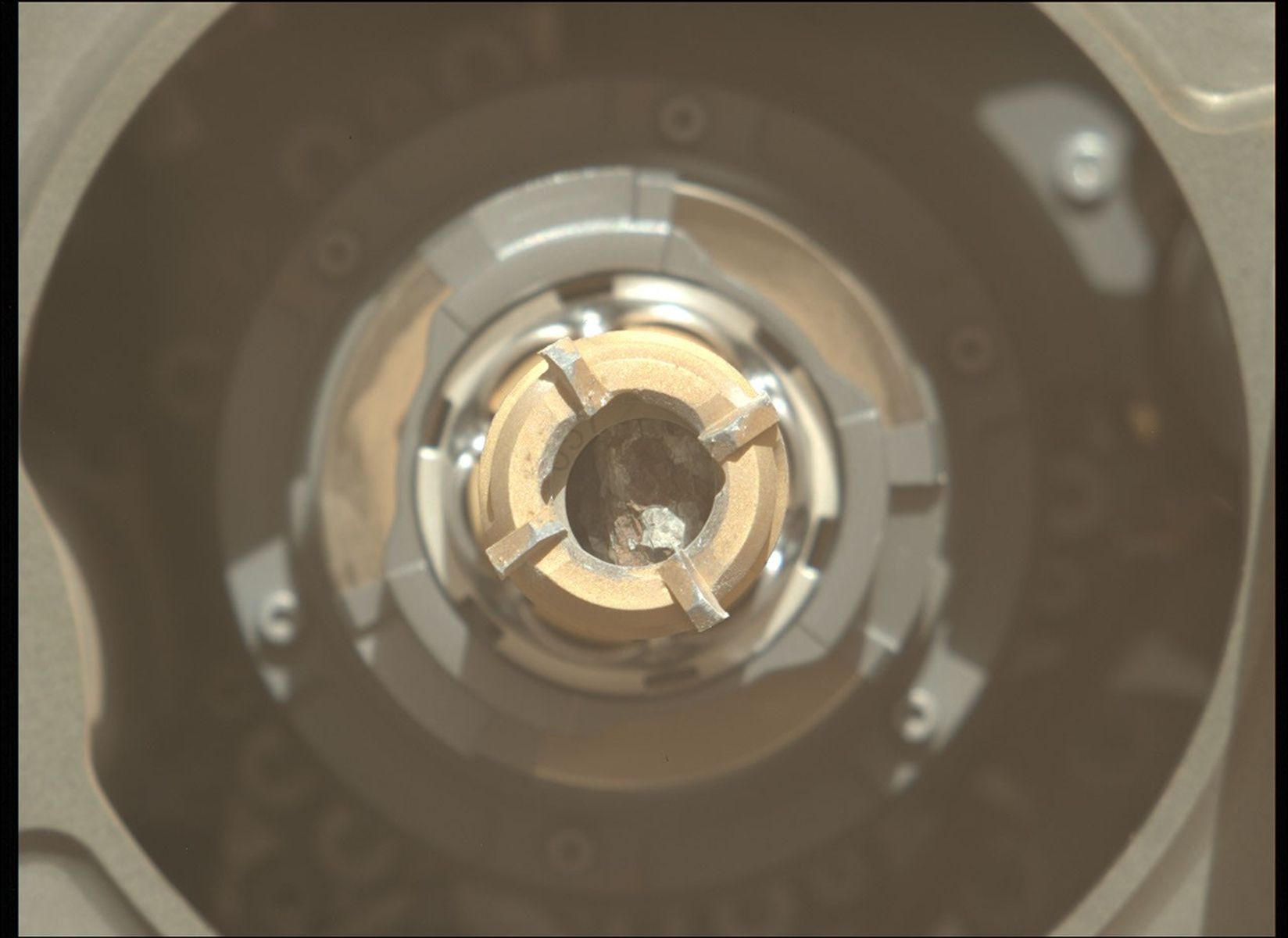
NASA investigators are scrutinizing a potential breakthrough in planetary history following the recovery of what may be the oldest rock sample ever retrieved from space.
DATA INPUT: GEOLOGICAL ANOMALY
Recent intelligence from NASA Breaking News confirms that agency researchers are currently evaluating a specific specimen that may represent the oldest rock ever retrieved during a space mission. While the sample is a recent addition to the terrestrial inventory, its isotopic signature suggests a formation date predating most known planetary crusts.
MISSION CONTEXT
The specimen was recovered through advanced logistics operations, potentially involving the Artemis initiative or recent sample-return missions like OSIRIS-REx. As NASA pivots toward long-term lunar habitation and Mars simulation—specifically highlighted by the recent 378-day completion of the CHAPEA Mission 2—the chemical composition of these ancient materials provides the requisite data to map the early solar system’s evolution.
ANALYTICAL PARAMETERS
According to NASA Breaking News, the evaluation of such materials is critical for developing the infrastructure for the proposed Moon Base. The agency is currently awarding contracts for transportation and science projects to support this permanent presence. Understanding the geological history of the lunar and Martian environments is no longer a matter of pure theory; it is a structural necessity for the next phase of human expansion.
Experts at the Johnson Space Center and other facilities are utilizing high-precision mass spectrometry to confirm if this rock truly holds the record for the oldest extraterrestrial material in human possession. If verified, the findings will rewrite the timeline of planetary cooling and mantle solidification.